Textures tell the model what a surface feels like. Use this guide to add bark, velvet, glass, rust, wax, brush marks, and other material cues to Stable Diffusion and Midjourney prompts.
FreeStable DiffusionMidjourney9 min read
From the 2023 era. The craft holds, but tools and flags have moved on. The cheat sheet keeps the current forms.
AI art gets stronger when the prompt describes the surface as well as the subject. A statue made of marble, a coat made of moss, and a city street after rain all ask the model for different light, edges, color, and detail.
Use texture words when an image feels too clean or generic. Add one clear material. Then add the lighting, camera, or style that helps that material read well.
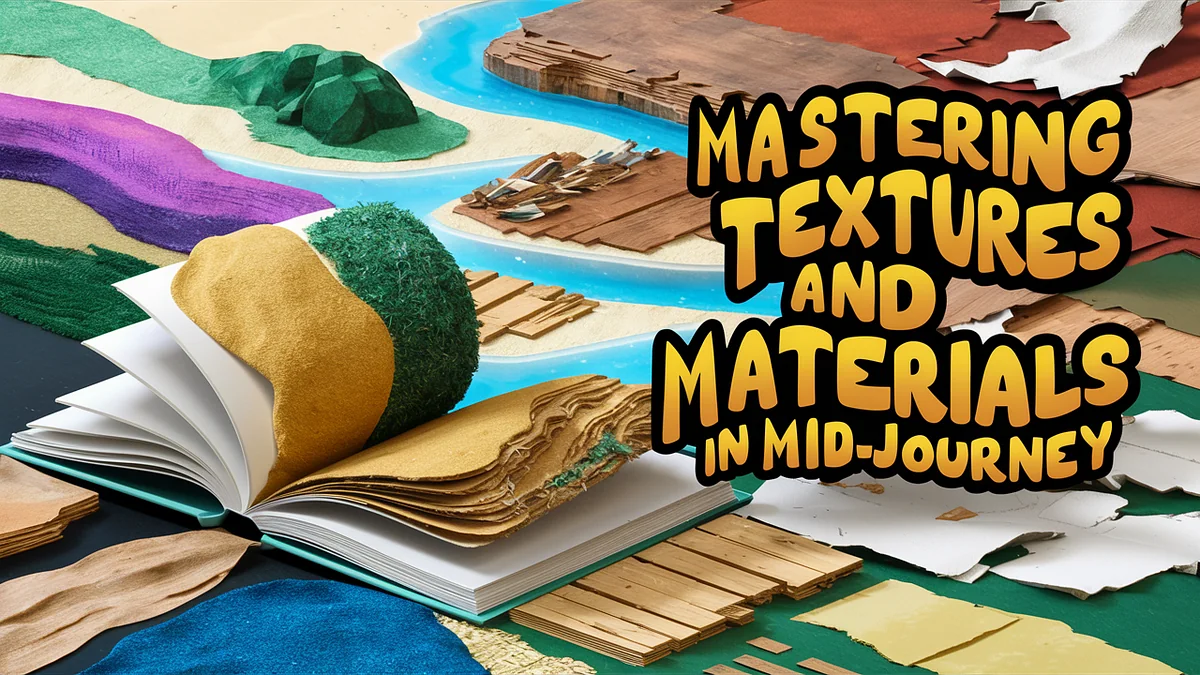
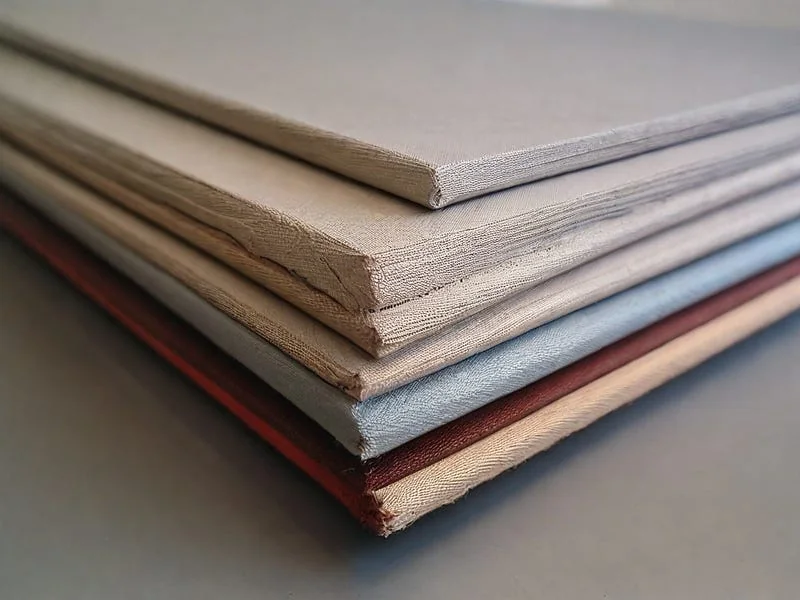
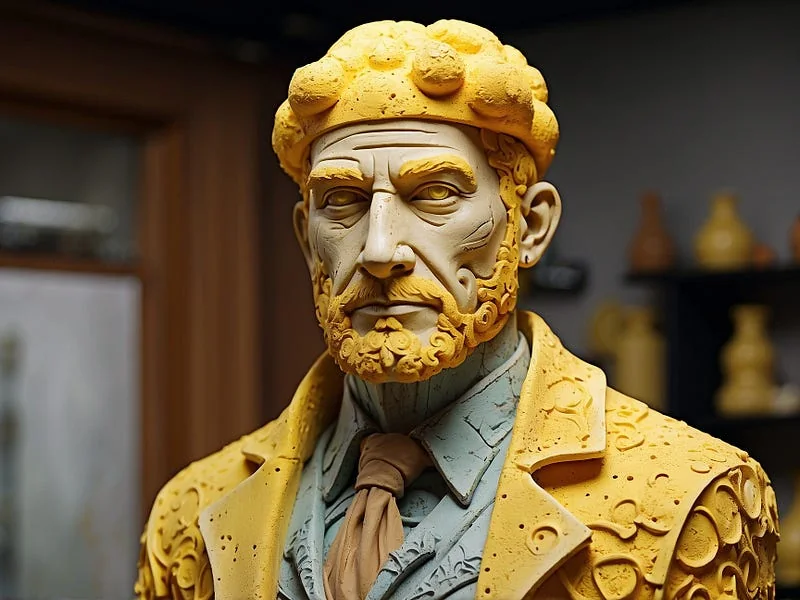
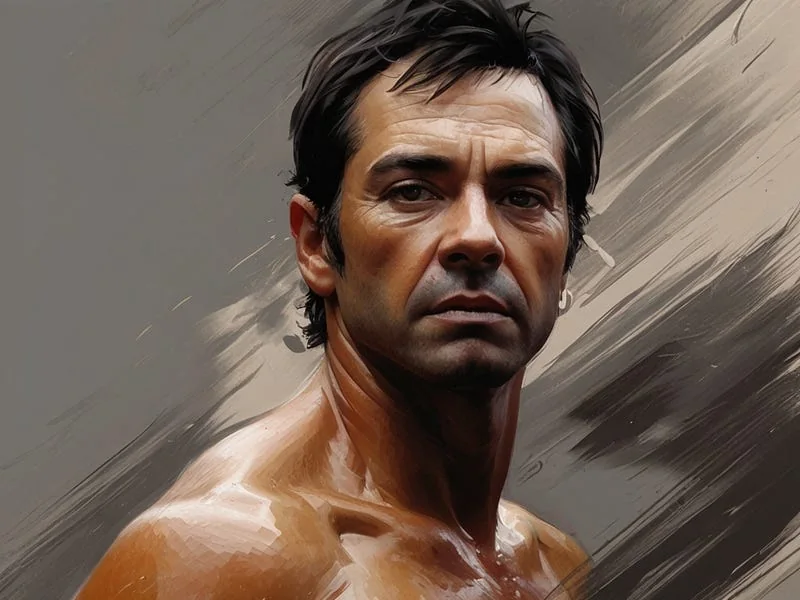
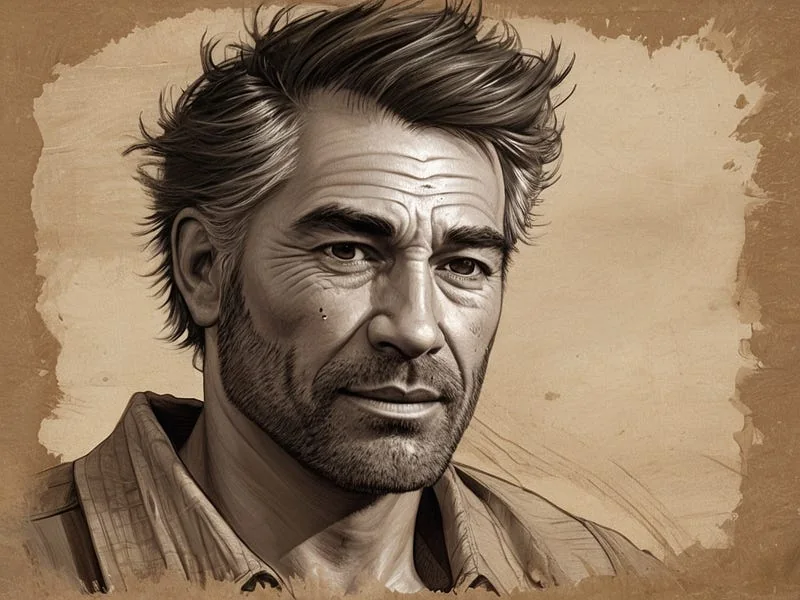
Lead image from the original texture guide, showing different materials as visual surface cues.
Natural Textures
Natural textures make an image feel grounded. They work well for landscapes, creatures, clothing, props, and surreal objects that need a believable surface.
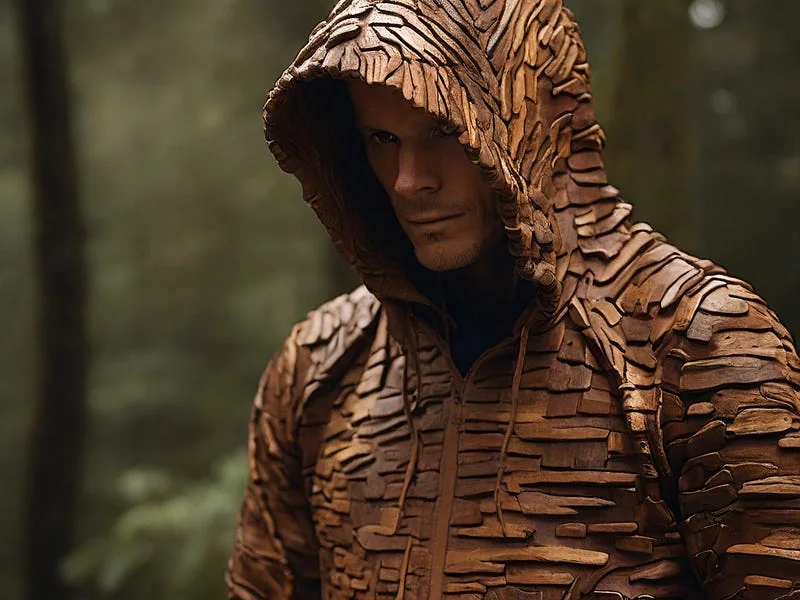
Bark adds age, roughness, and forest detail.
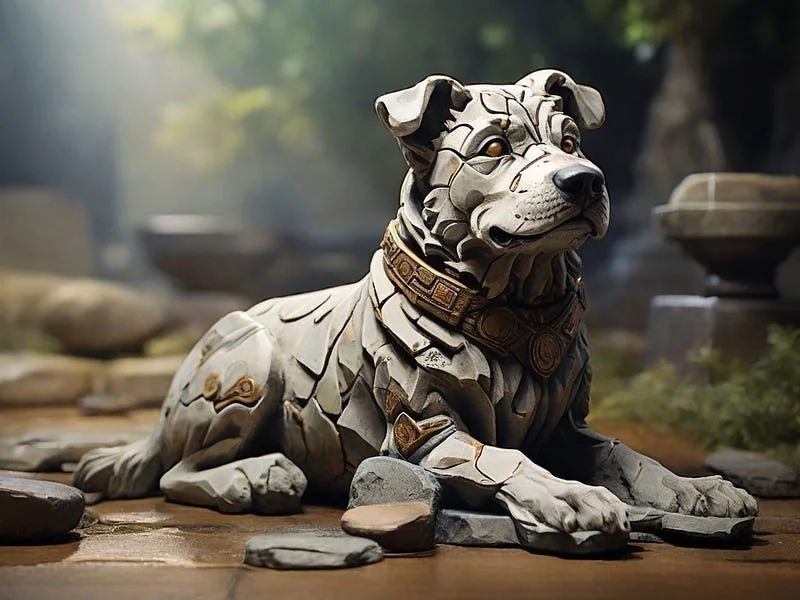
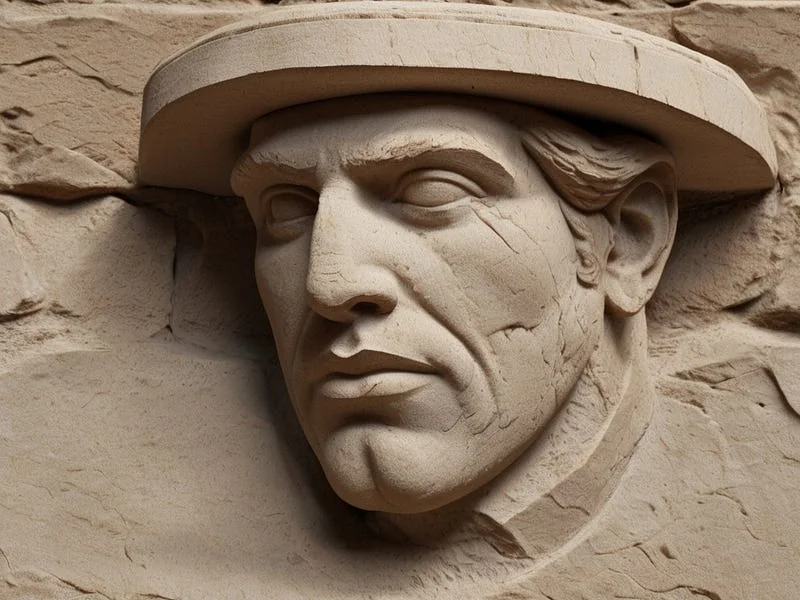
Stone and granite add weight, strength, and hard edges.
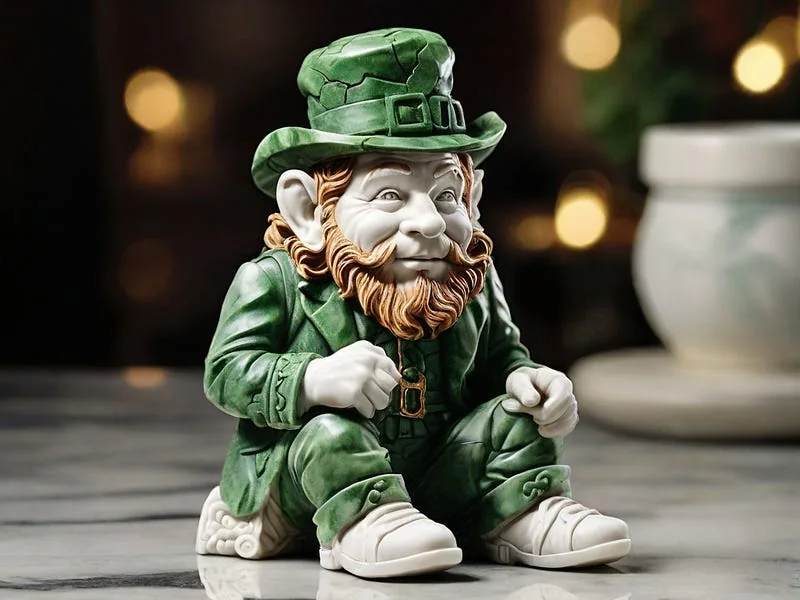
Marble adds polish, veining, and a classical mood.
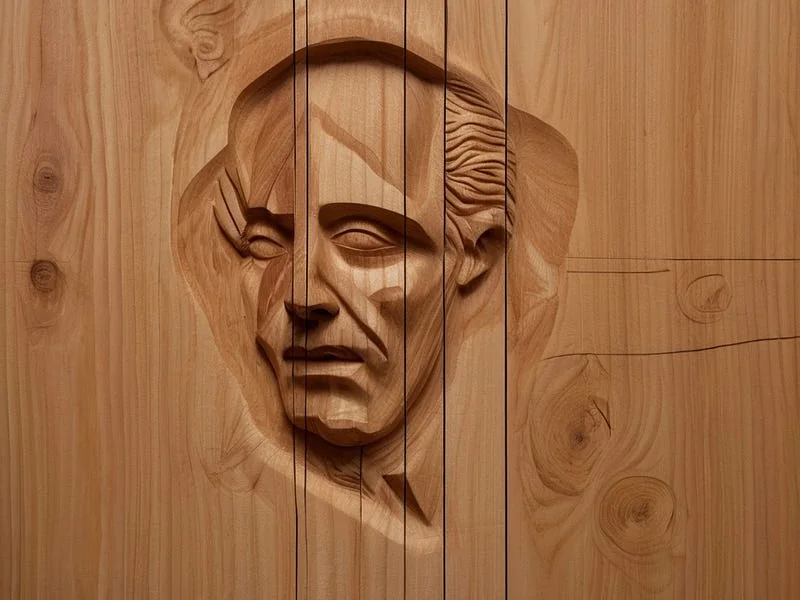
Wood grain adds warmth and visible lines.
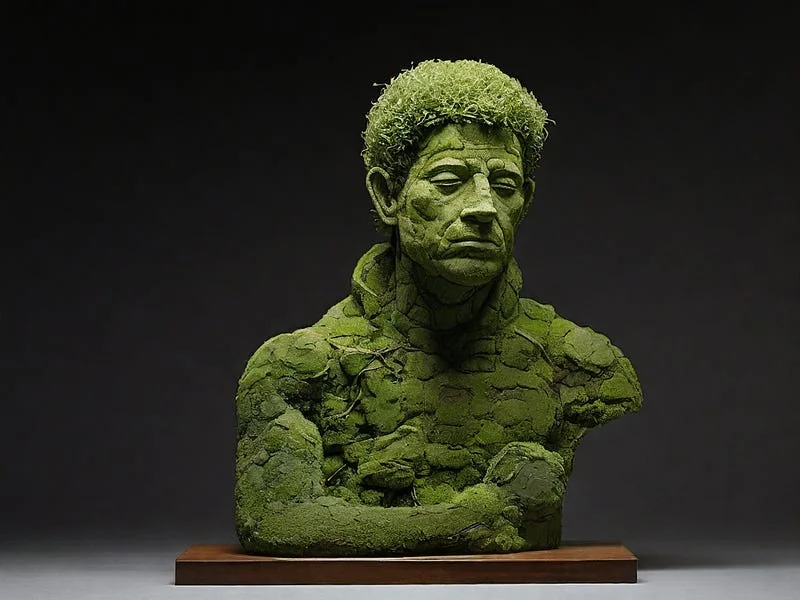
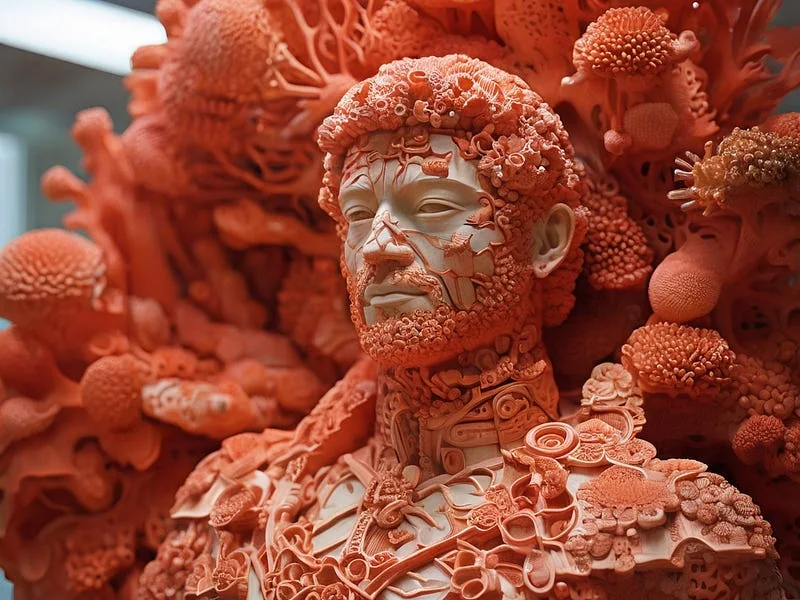
Leaves, grass, moss, coral, and soil add organic density.
Water, snow, ice, clouds, and crystal change how light passes through or reflects from the subject.
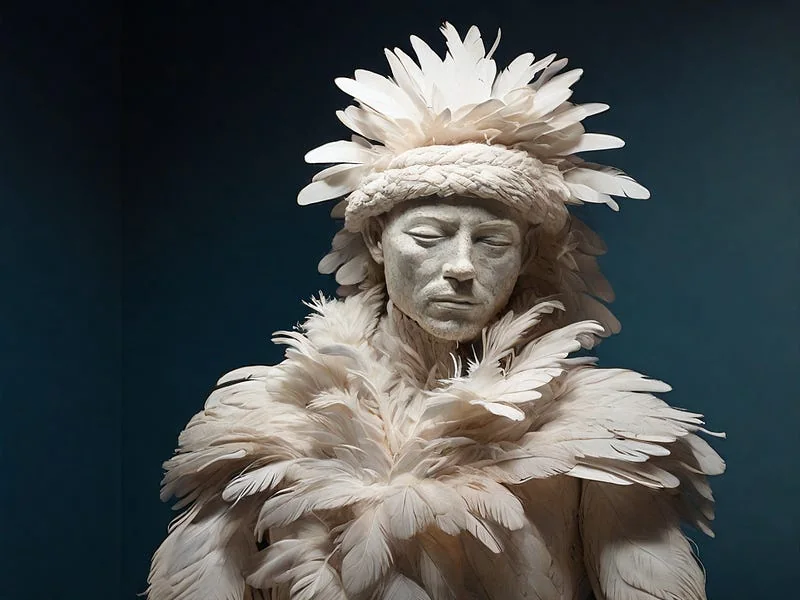
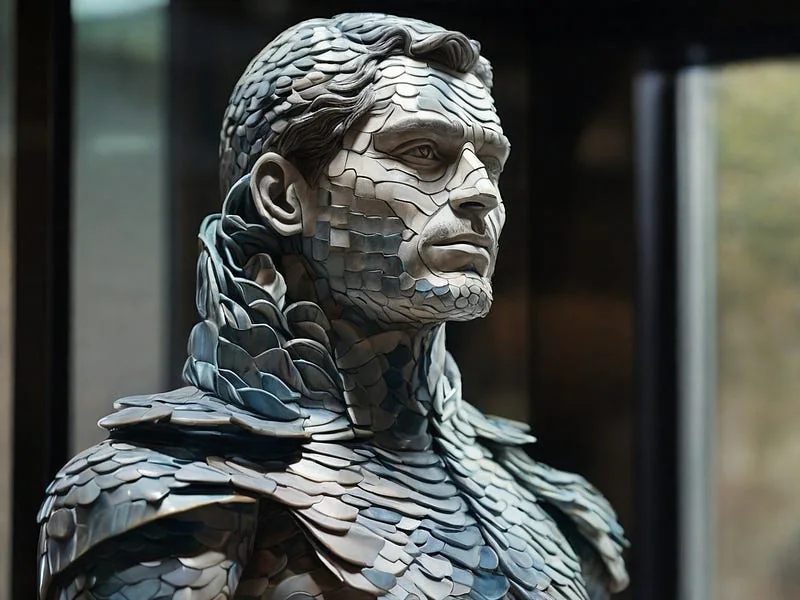
Fur, feathers, and scales help animals, costumes, and fantasy creatures feel tactile.
natural prompta portrait bust made entirely of moss and bark, forest floor texture, soft window light, detailed surface, Stable Diffusion
Bark: man wearing a hoodie made from tree bark.Stone: dog made from stone.
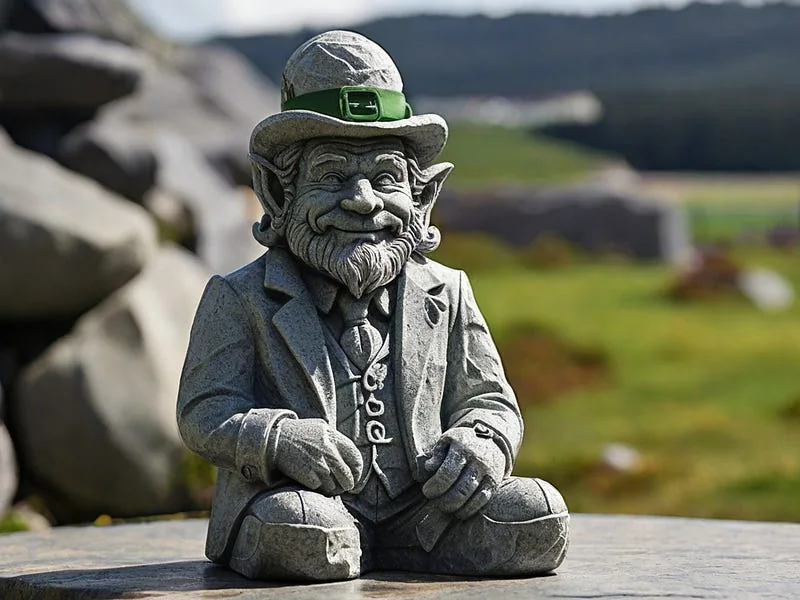
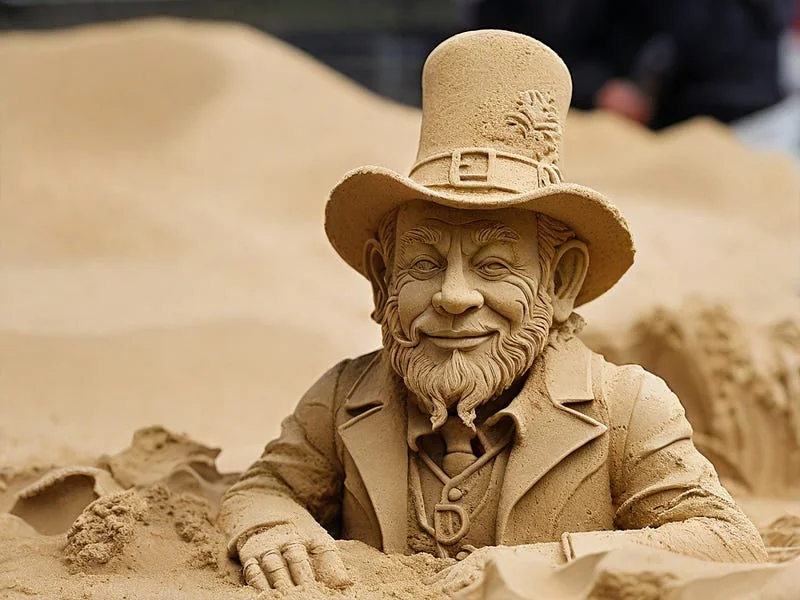
Marble: leprechaun, made from marble.Granite: leprechaun, made from granite.
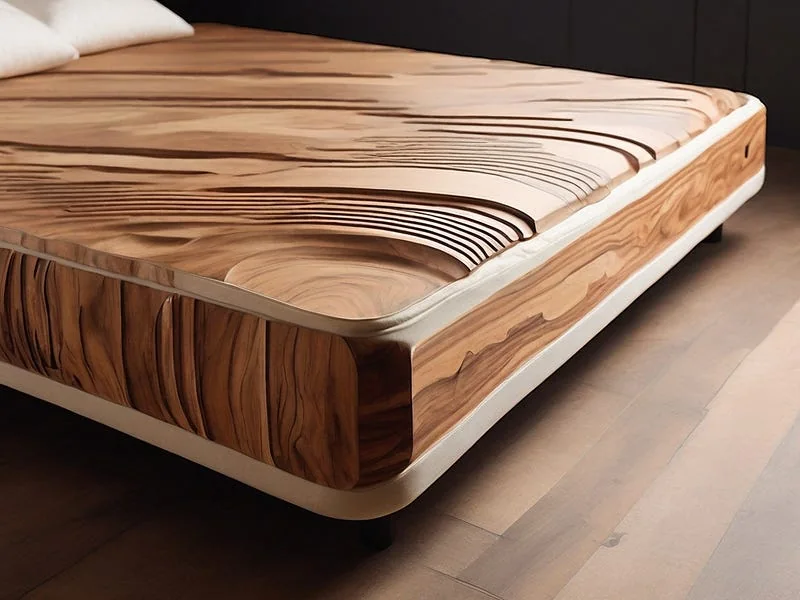
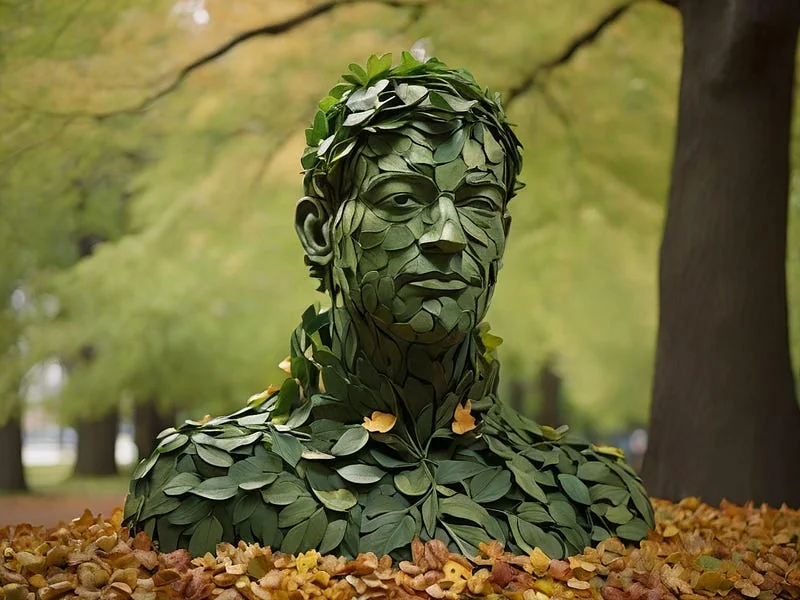
Wood Grain: mattress made with wood grain.Leaves: sculpture of a man, built from leaves.
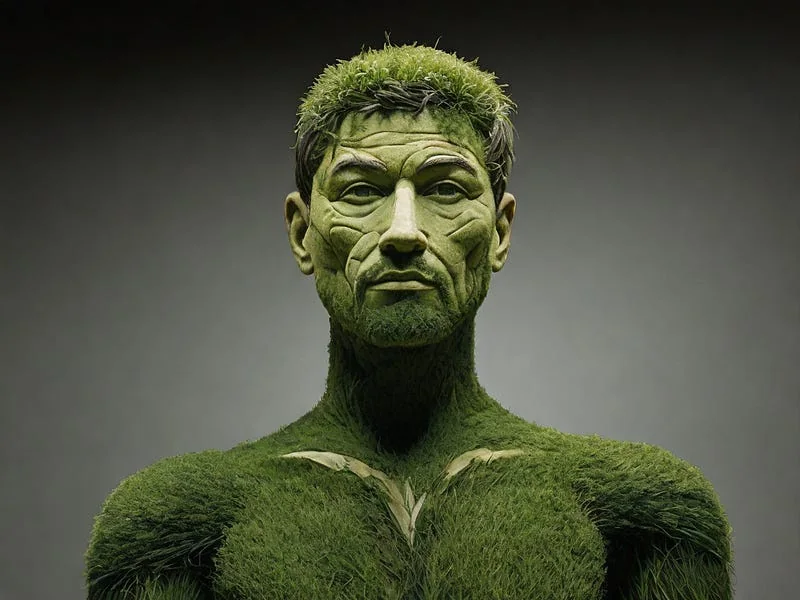
Grass: sculpture of a man, built from grass.Sand: sand suggests openness and desert-like solitude.
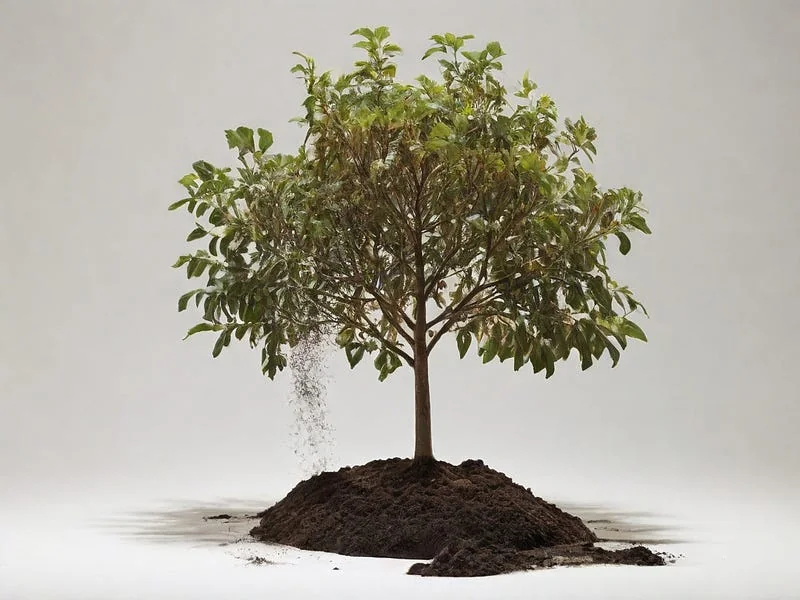
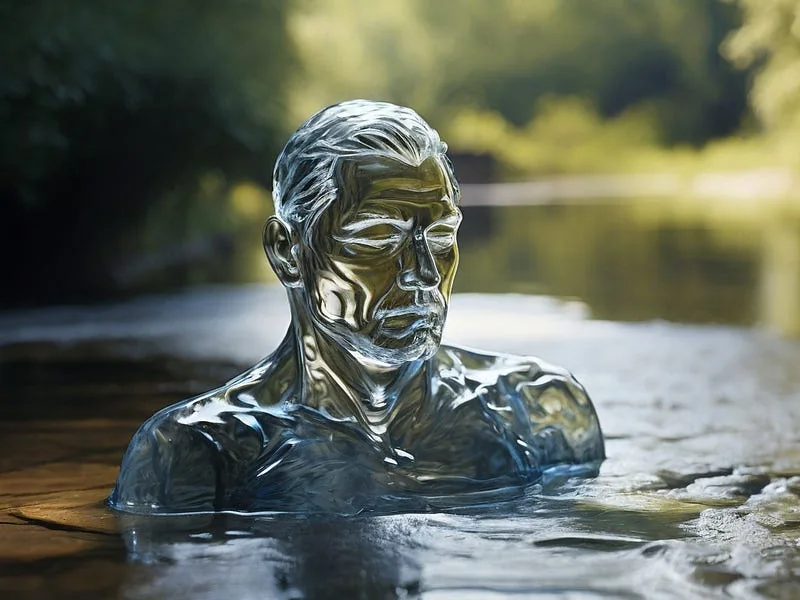
Soil: tree, with soil.Water: sculpture of a man, made from water.
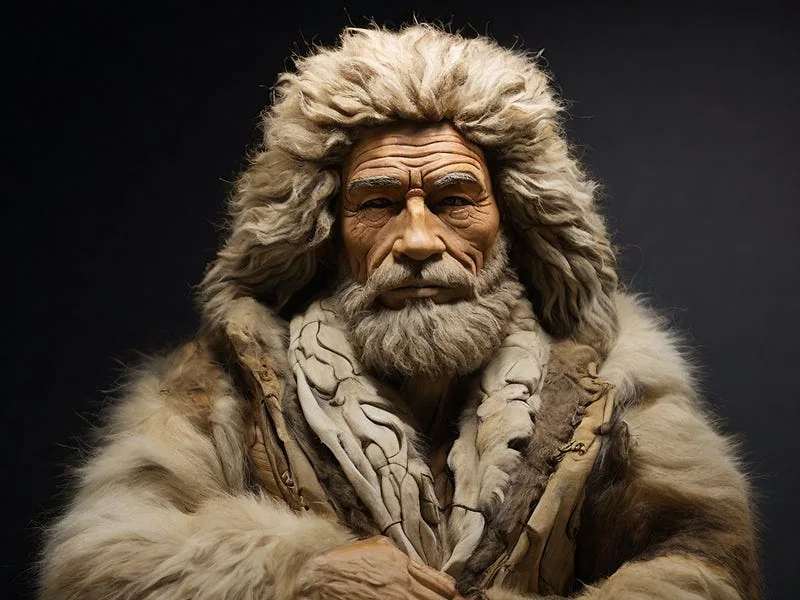
Fur: sculpture of a man, made from fur.Feather: sculpture of a man, made from feathers.
Scales: sculpture of a man, made from scales.Moss: sculpture of a man, made from moss.
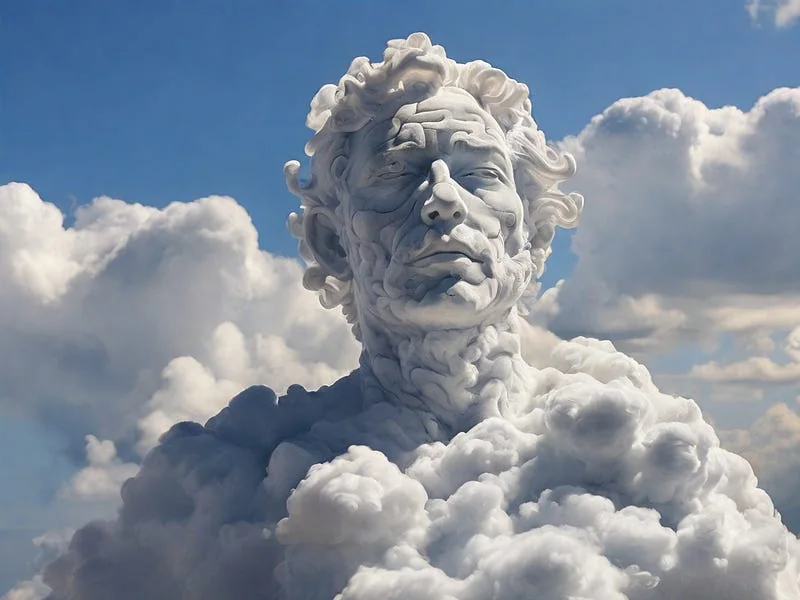
Coral: sculpture of a man, made from coral.Clouds: sculpture of a man, made from clouds.
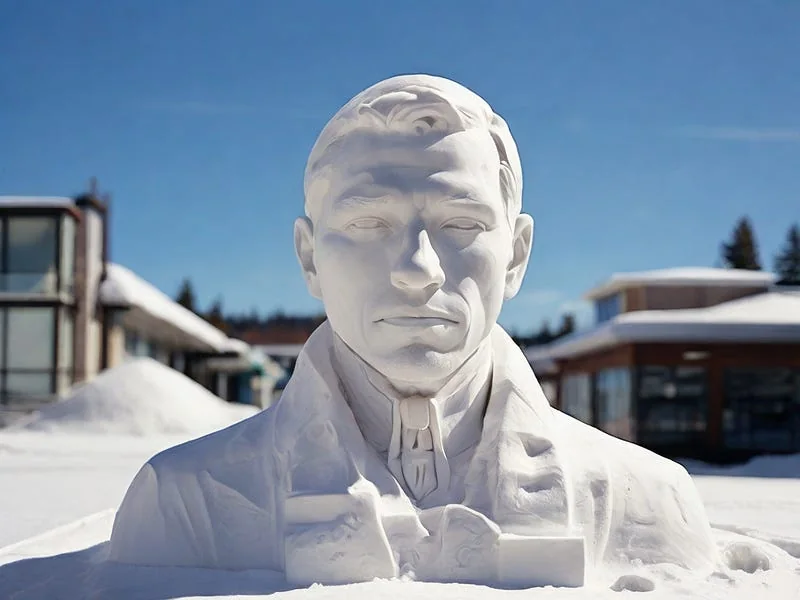
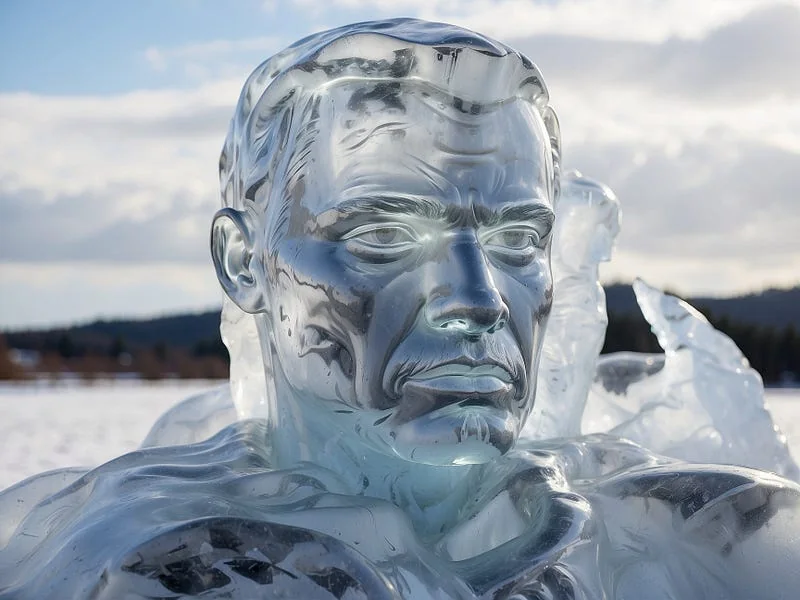
Snow: sculpture of a man, made from snow.Ice: sculpture of a man, made from ice.
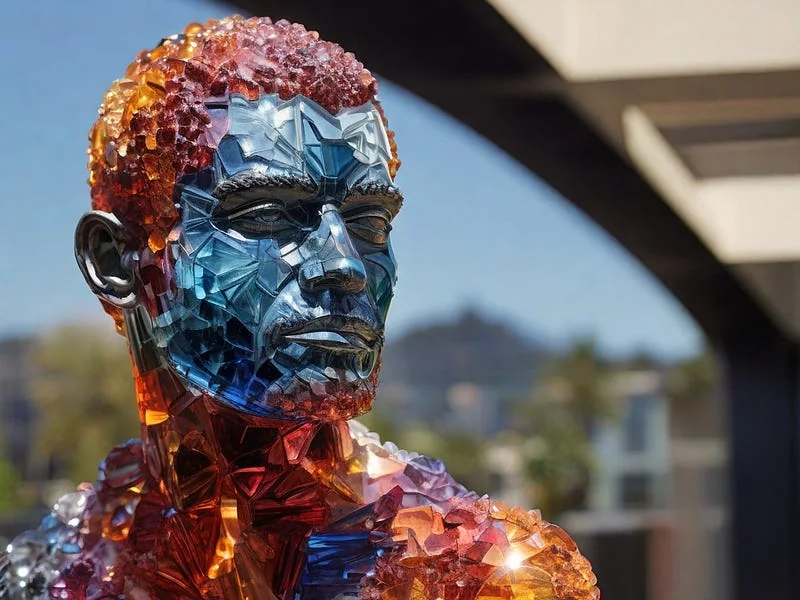
Crystal: sculpture of a man, made from multi-colored crystals.
Fabric and Textile Textures
Fabric changes the mood of a subject quickly. Cotton feels plain and soft. Denim feels rugged. Silk feels glossy. Velvet feels rich. Burlap feels coarse and handmade.
When you prompt for fabric, describe both the material and the form. A silk scarf, velvet curtains, tweed jacket, lace veil, chiffon dress, knit blanket, suede boots, and satin pillow all push the model toward different folds and highlights.
fabric prompta fashion portrait with a deep green velvet coat, visible pile texture, soft folds, studio lighting, shallow depth of field
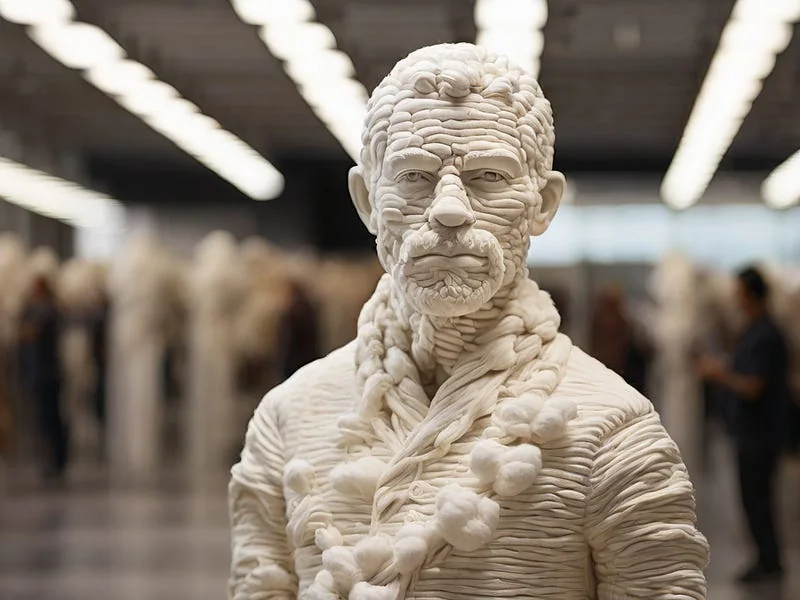
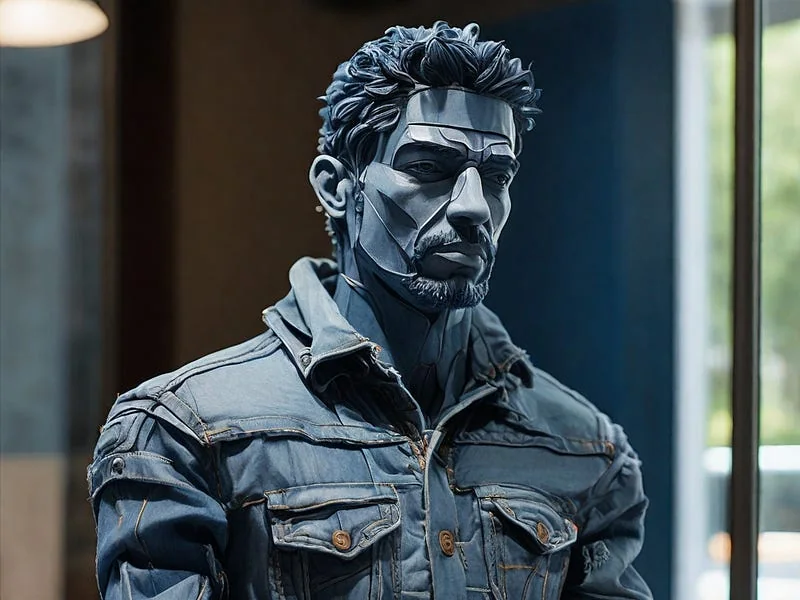
Cotton: sculpture of a man, made from cotton.Denim: sculpture of a man, made from denim.
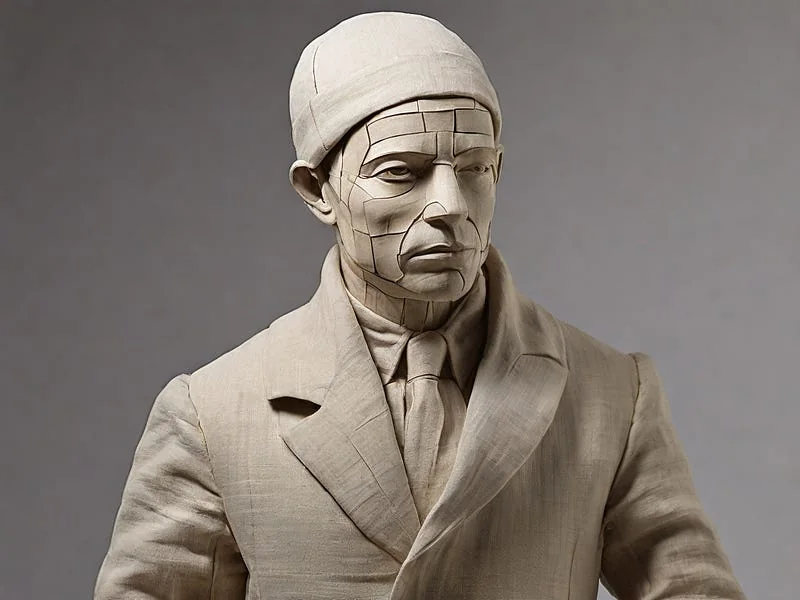
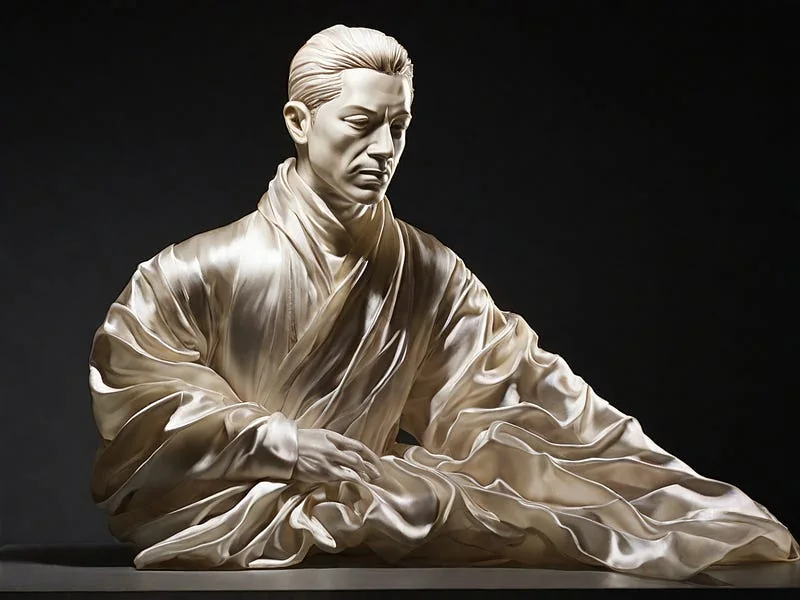
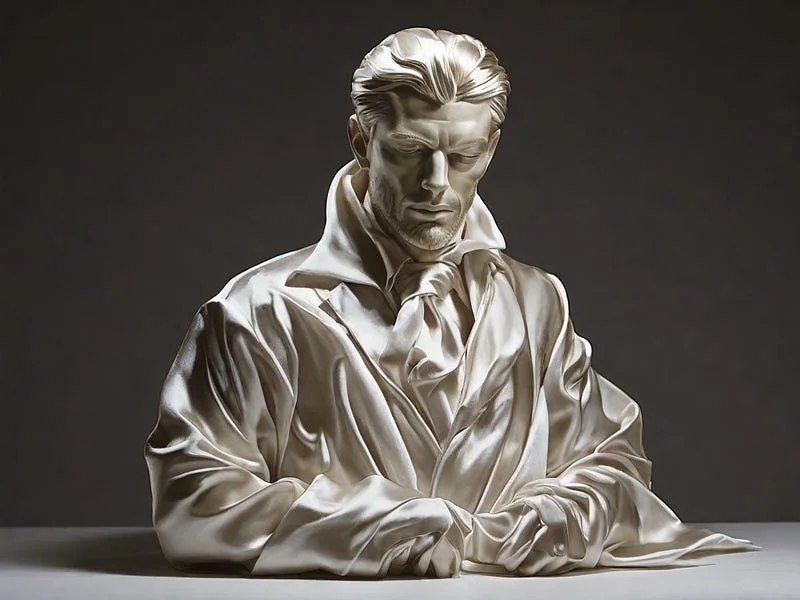
Linen: sculpture of a man, made from Linen.Silk: sculpture of a man, made from silk.
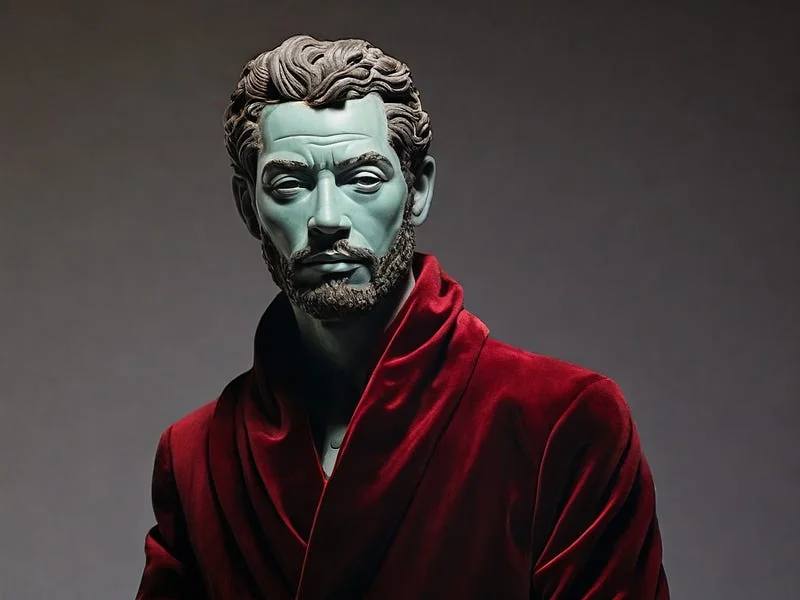
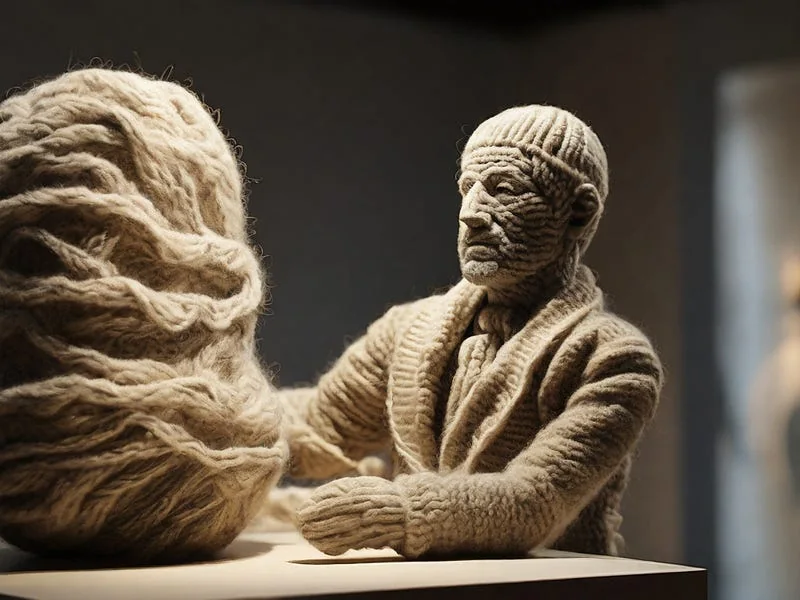
Velvet: sculpture of a man, made from velvet.Wool: sculpture of a man, made from wool.
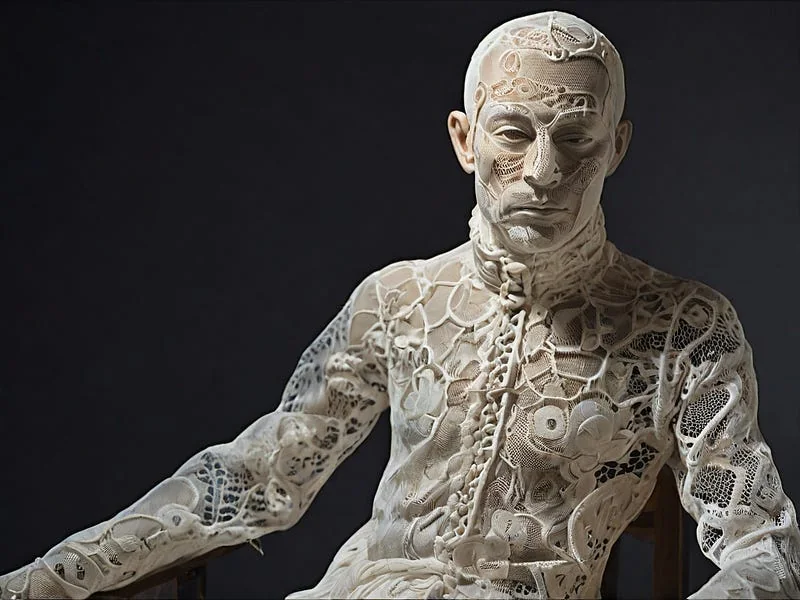
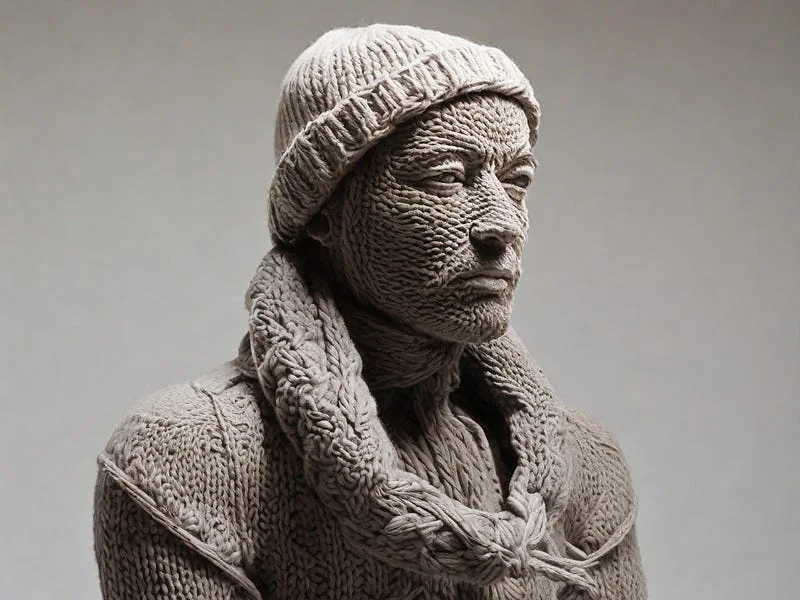
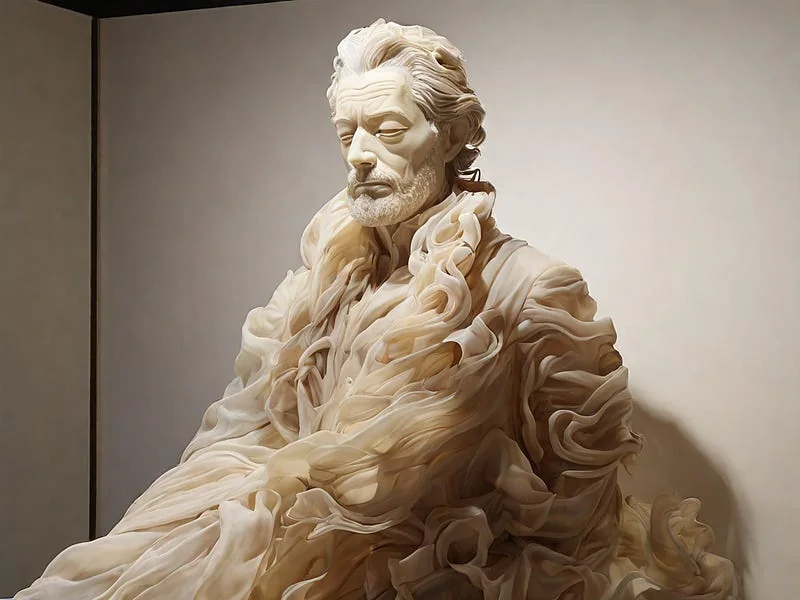
Lace: sculpture of a man, made from lace.Knit: sculpture of a man, made from knit.
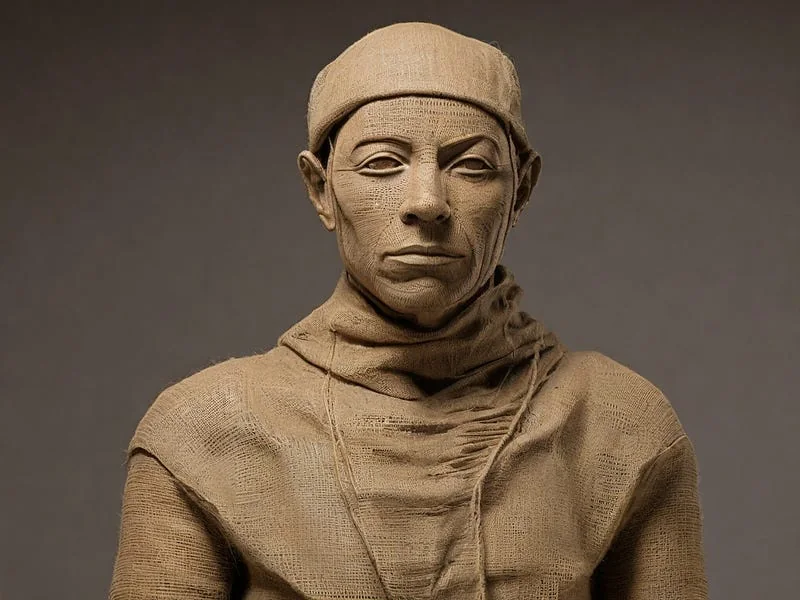
Hessian (Burlap): sculpture of a man, made from Hessian Burlap.Satin: sculpture of a man, made from satin.
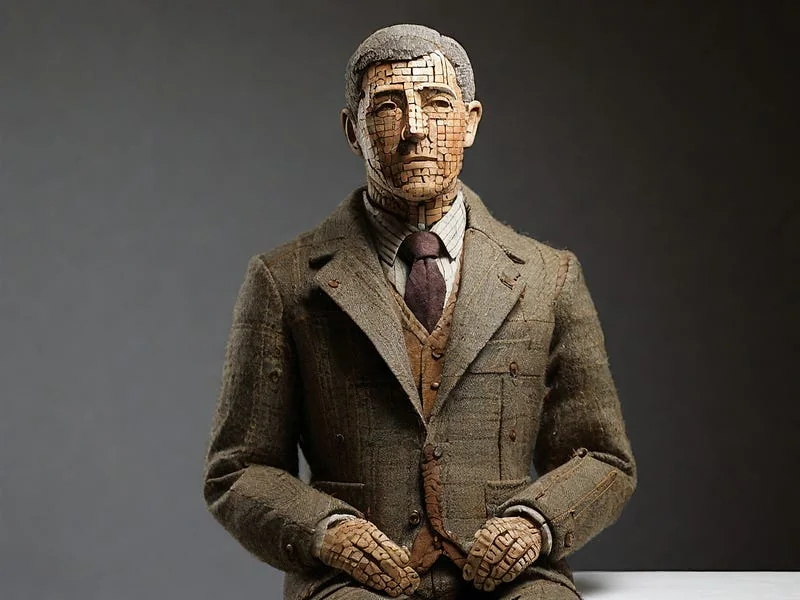
Chiffon: sculpture of a man, made from Chiffon.Tweed: sculpture of a man, made from Tweed.
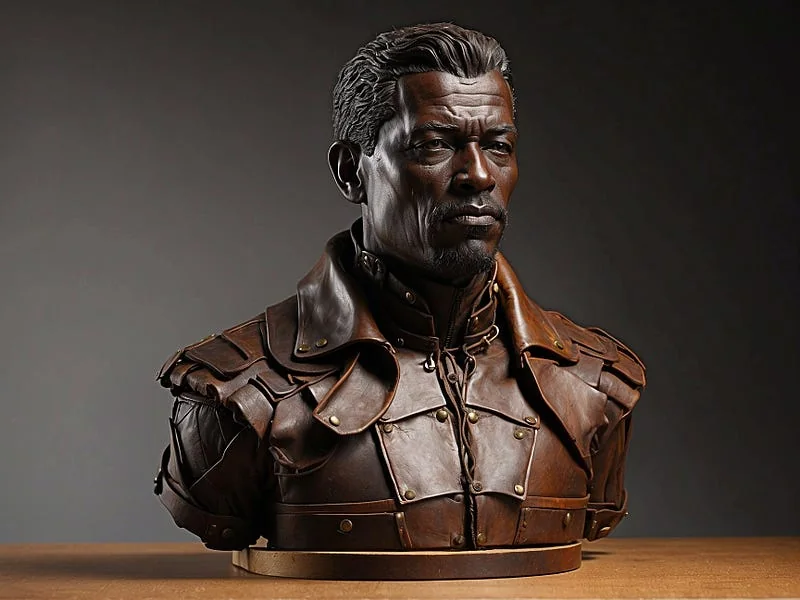
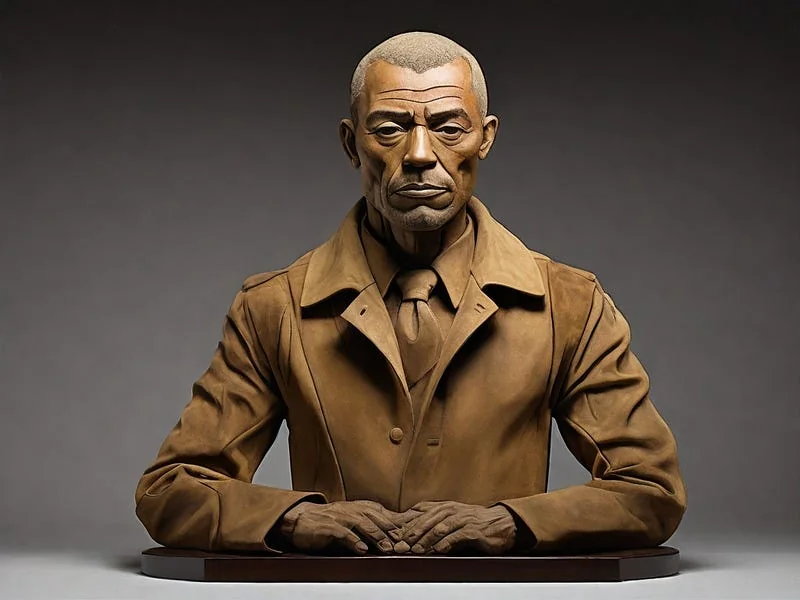
Leather: sculpture of a man, made from Leather.Suede: sculpture of a man, made from Suede.
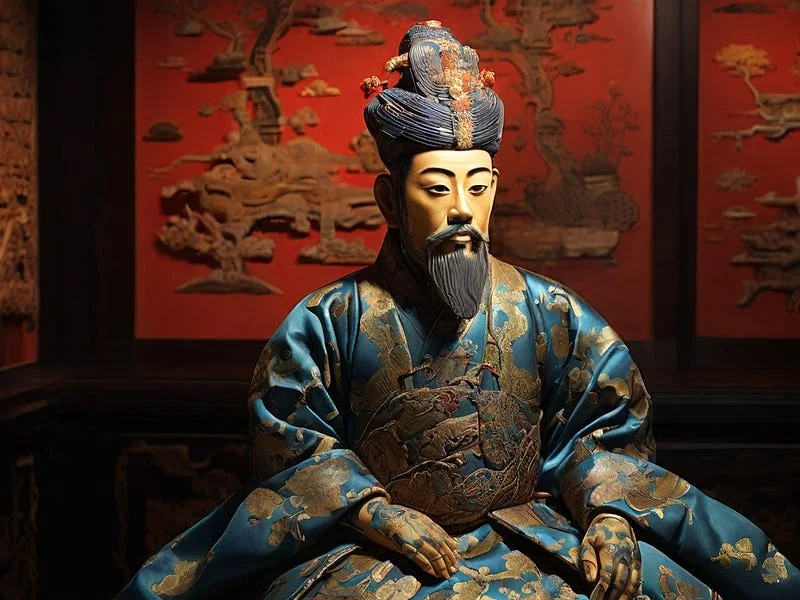
Brocade: sculpture of a man, made from Brocade.Canvas: canvas Material.
Man-Made Materials
Man-made materials help the model build props, interiors, product shots, and science fiction objects. Use them when the subject needs a manufactured feel.
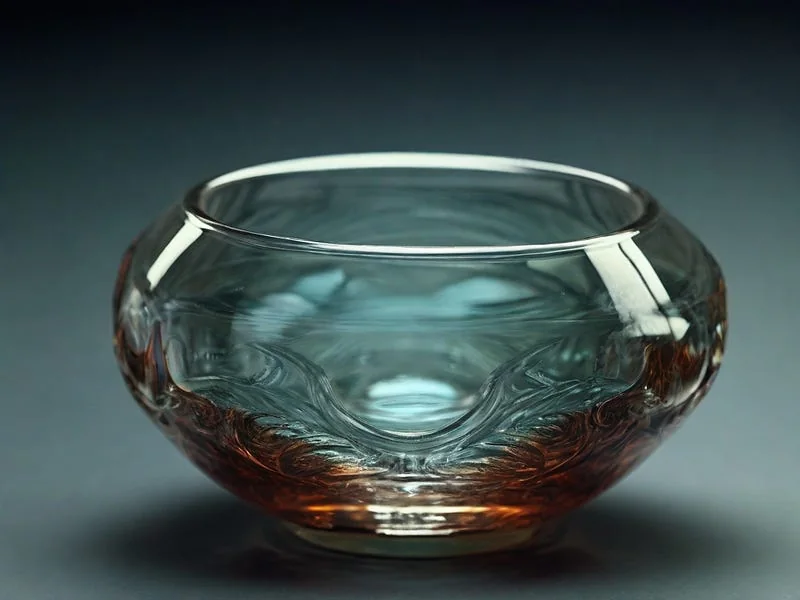
Glass, molten glass, and ceramic tile can create shine, transparency, and hard reflected edges.
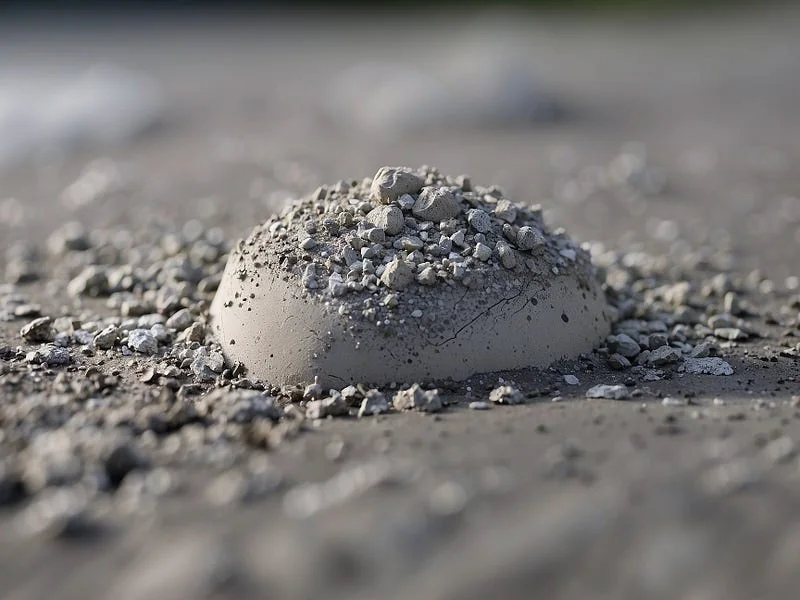
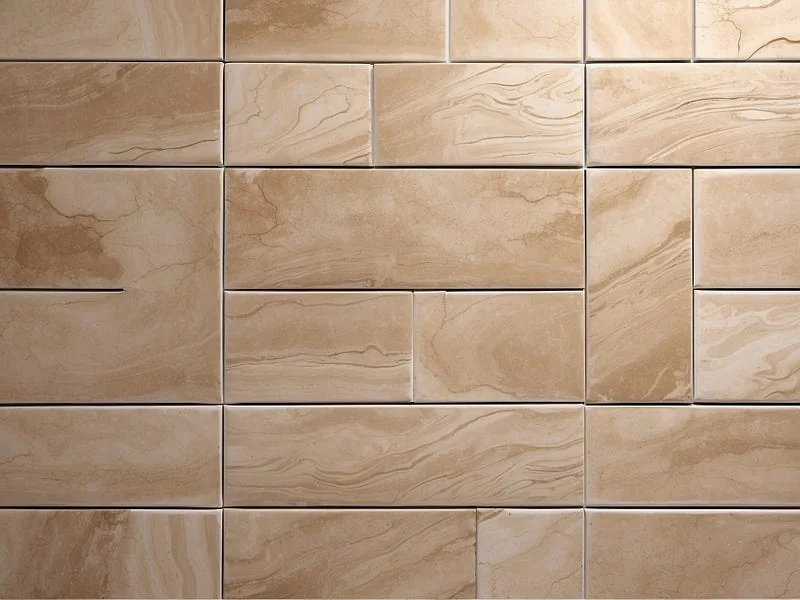
Concrete: concrete, high resolution, macro lens, close-up photo.Ceramic Tile: bathroom ceramic tile, high resolution, close-up photo.
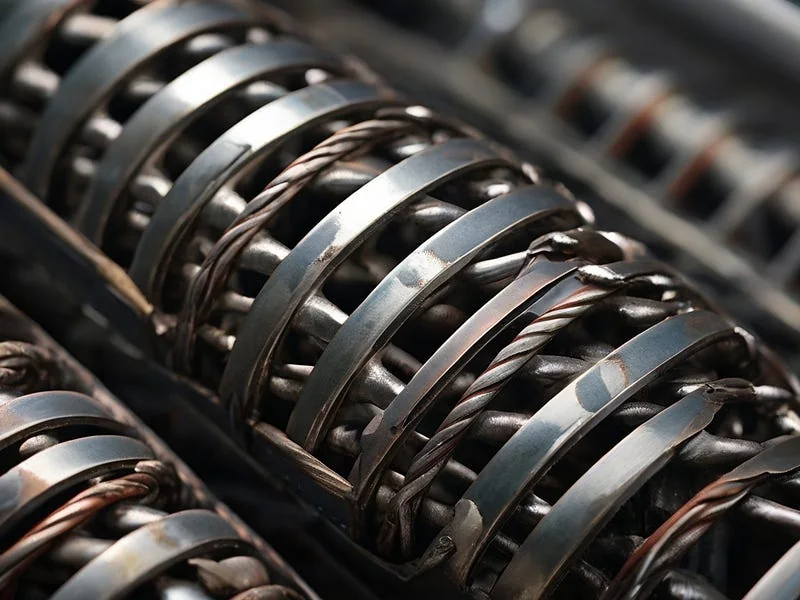
Glass: glass, high resolution, close-up photo.Metal: glass, high resolution, close-up photo.
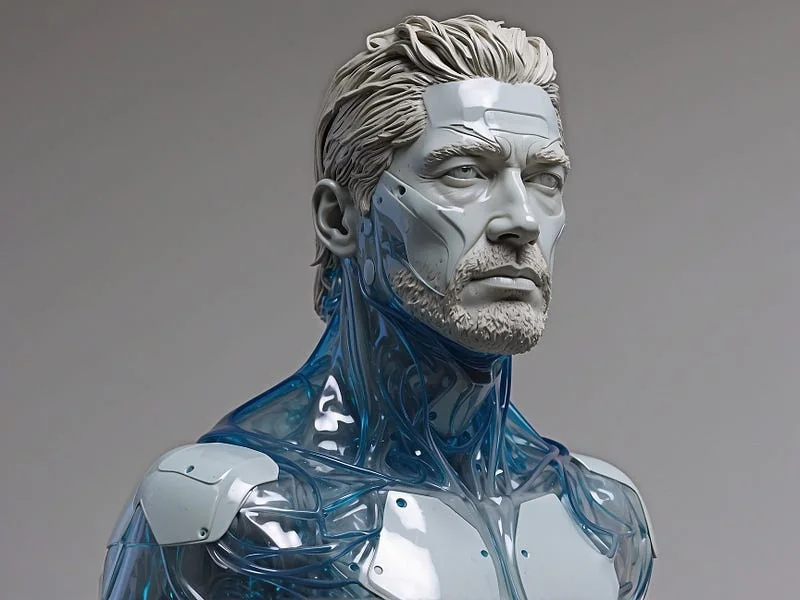
Plastic: sculpture of a man, made from plastic, high resolution, high fidelity, detailed texture, photo.Rubber: sculpture of a man, made from rubber, high resolution, high fidelity, detailed texture, photo.
Everyday Textures
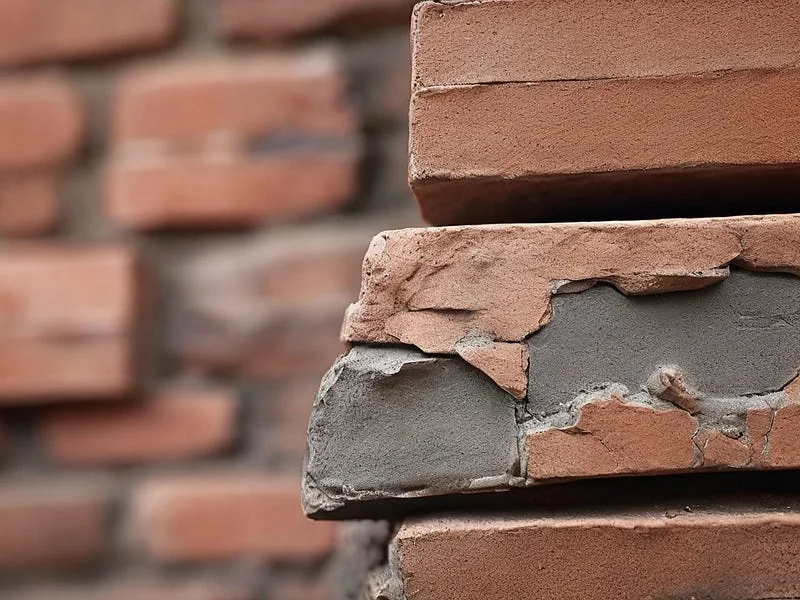
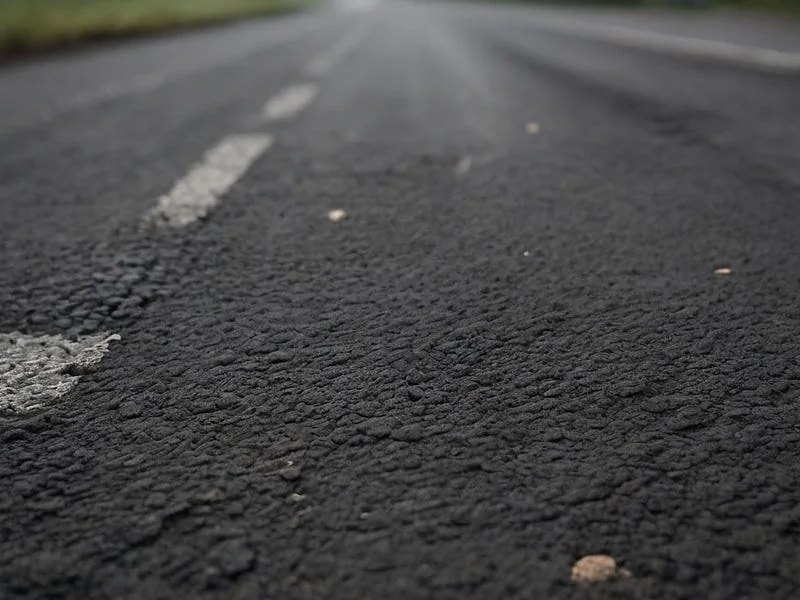
Everyday textures are useful because viewers already know how they should look. Peeling paint, decayed wood, cracked concrete, mold, rust, paper, and cardboard can tell a small story before the subject does anything.
Use these words to age an object, roughen a background, or make a scene feel lived in. They also help when a clean render looks too artificial.
weathered promptan abandoned door with peeling paint, decayed wood grain, rusted handle, cloudy daylight, documentary photography
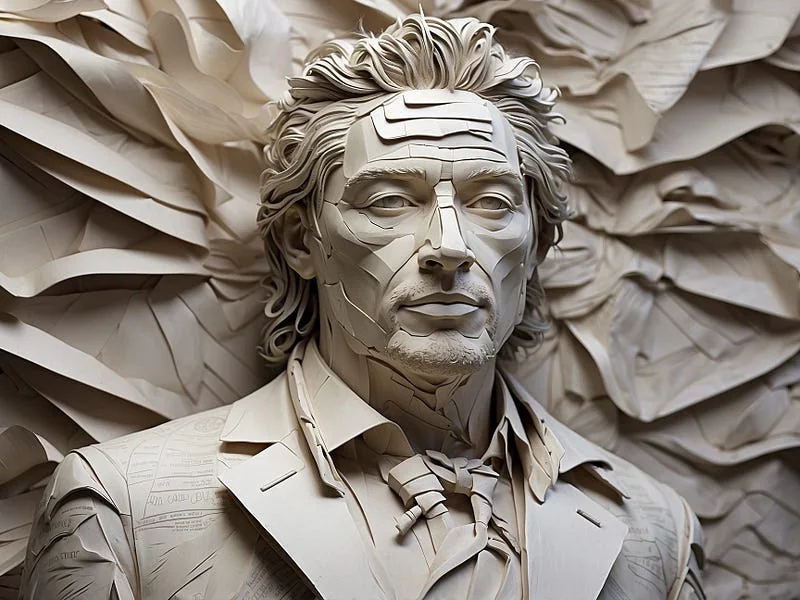
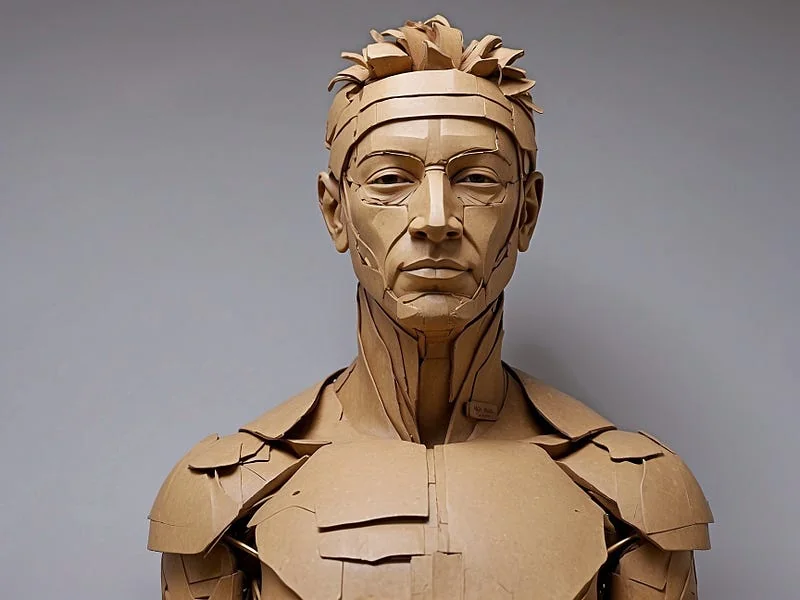
Paper: sculpture of a man, made from paper, high resolution, ((high fidelity, detailed texture, photo.Cardboard: sculpture of a man, made from cardboard, high resolution, ((high fidelity, detailed texture, photo.
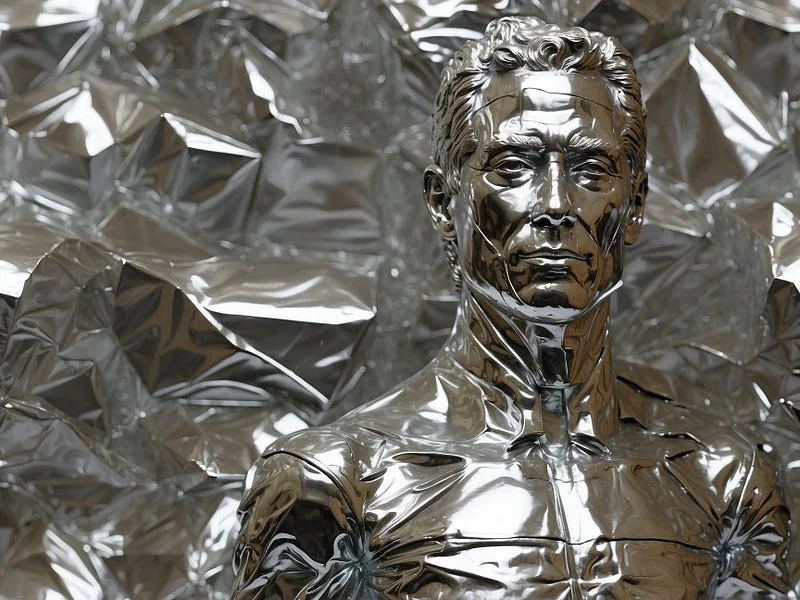
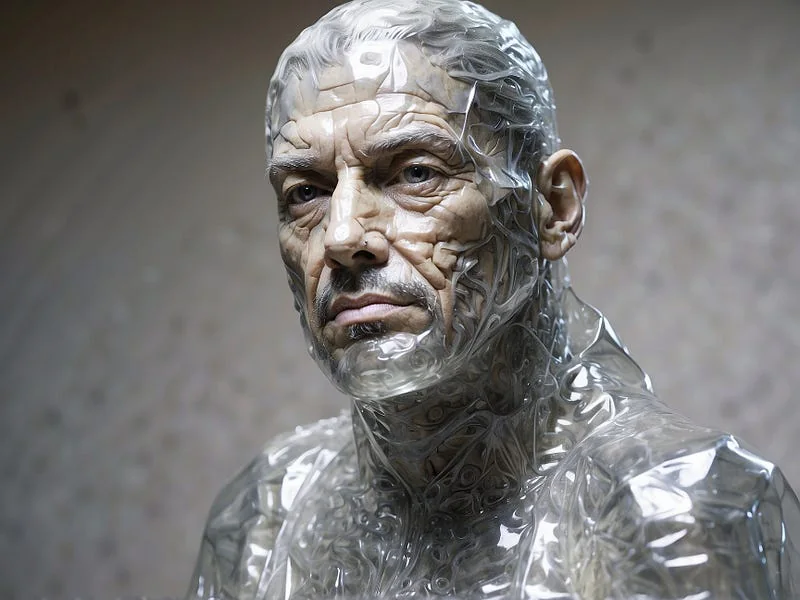
Aluminum Foil: sculpture of a man, made from aluminum foil, high resolution, ((high fidelity, detailed texture, photo.Bubble Wrap: sculpture of a man, (made entirely out of bubble wrap, high resolution, ((high fidelity, detailed texture, photo.
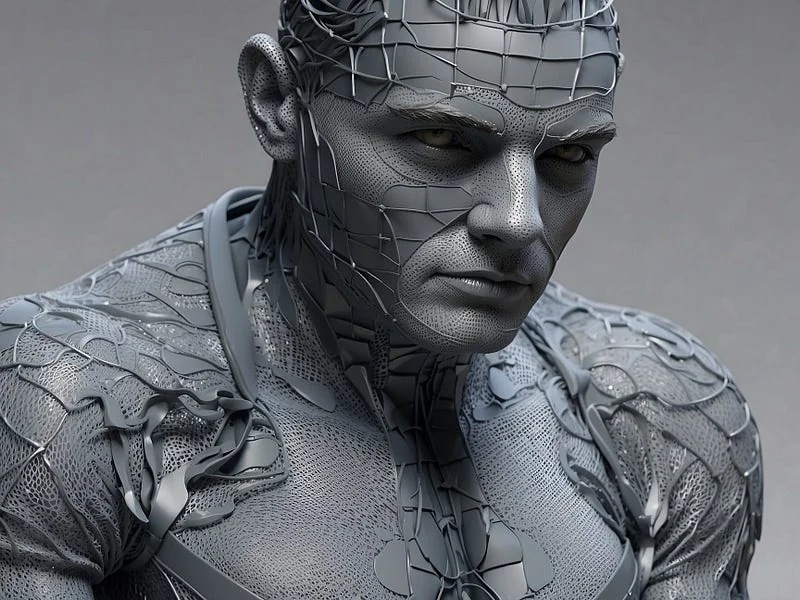
Sponge: sculpture of a man, made from sponge, high resolution, ((high fidelity, detailed texture, photo.Mesh: sculpture of a man, (made entirely out of mesh, high resolution, ((high fidelity, detailed texture, photo.
Unique Textures
Some texture words create a more surprising result. Scales, bokeh, sponge, crackle, halftone, grunge, burnt edges, and mold can turn a normal prompt into a more specific visual experiment.
These terms work best when you keep the rest of the prompt simple. Let the texture become the main effect.
texture studya white cube covered entirely in crackle glaze, macro product photography, clean background, crisp shadow
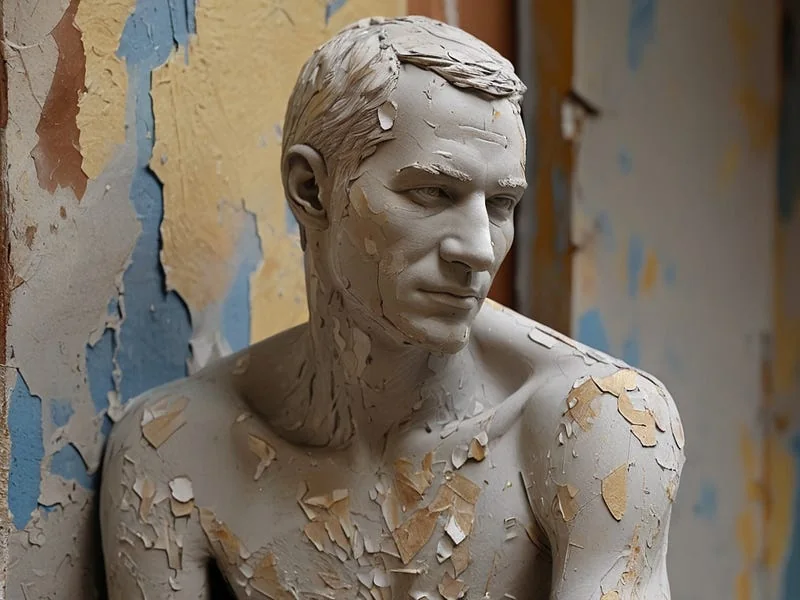
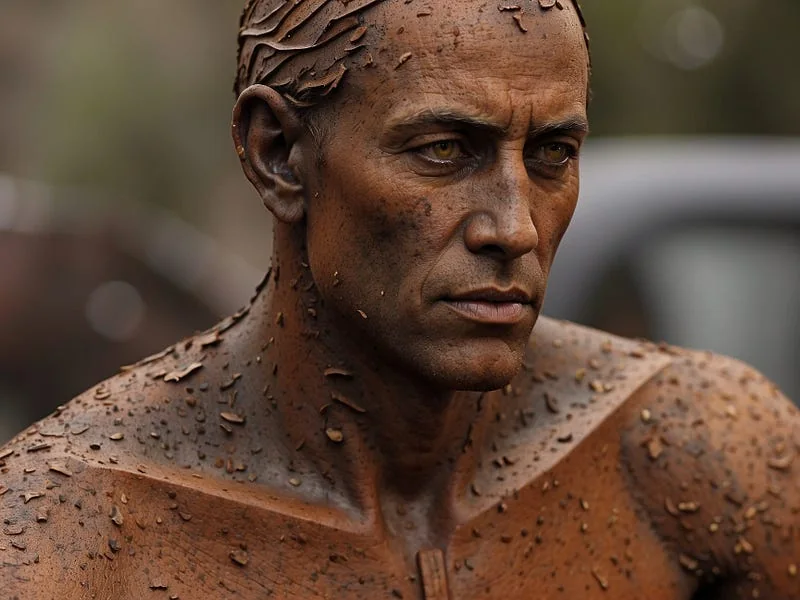
Peeling Paint: sculpture of a man, (peeling paint, high resolution, ((high fidelity, detailed texture, photo.Rust: sculpture of a man, (rust, high resolution, ((high fidelity, detailed texture, photo.
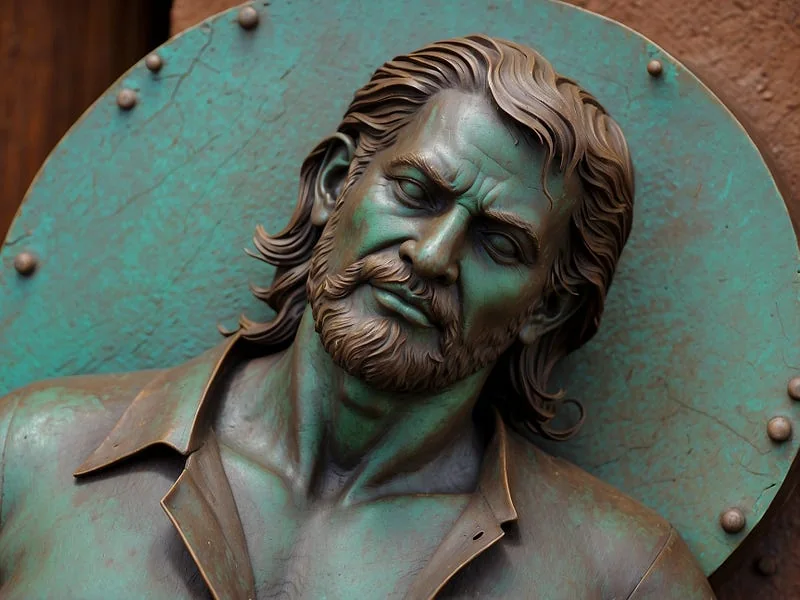
Patina on Copper: sculpture of a man, (patina on copper, high resolution, ((high fidelity, detailed texture, photo.Mold and Mildew: sculpture of a man, (patina on copper, high resolution, ((high fidelity, detailed texture, photo.
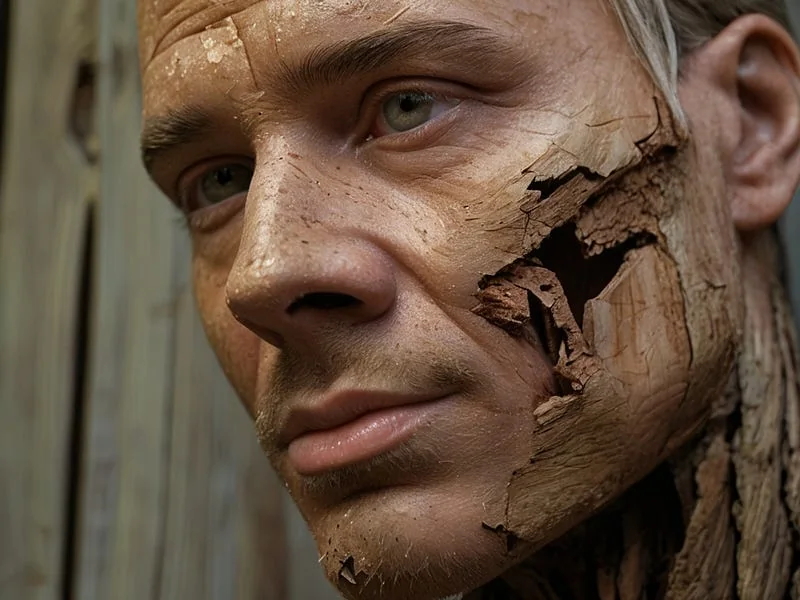
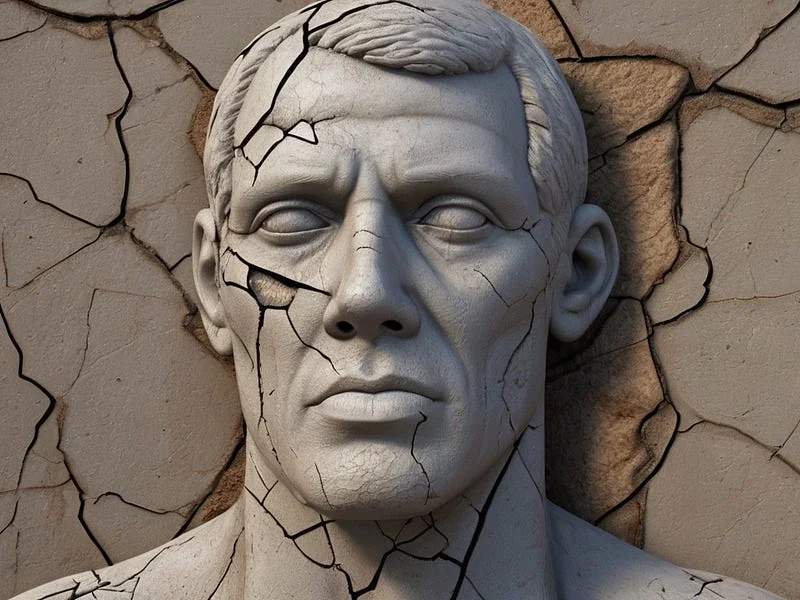
Decayed Wood: man, (skin made from heavily decayed wood:1.2, high resolution, ((high fidelity:1.1, detailed textures, photo.Cracks: man, (skin made from cracked concrete:1.2, high resolution, ((high fidelity:1.1, detailed textures, photo.
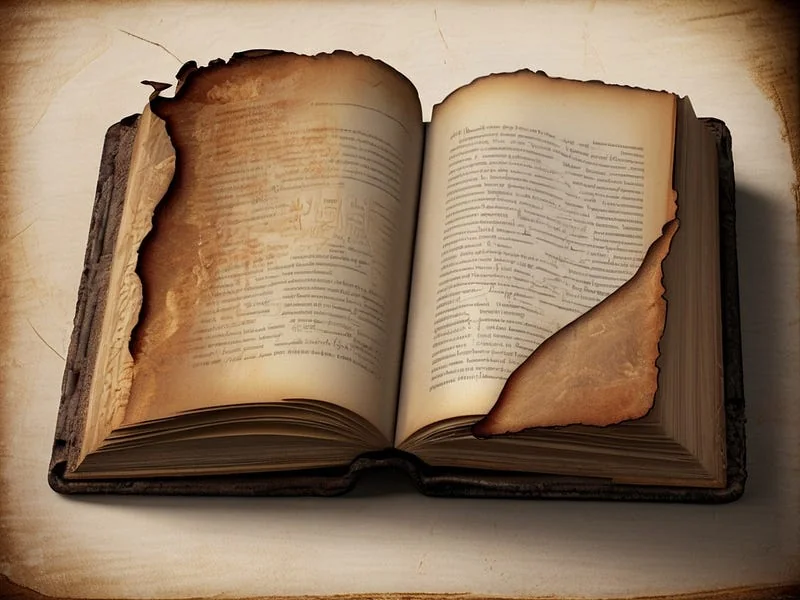
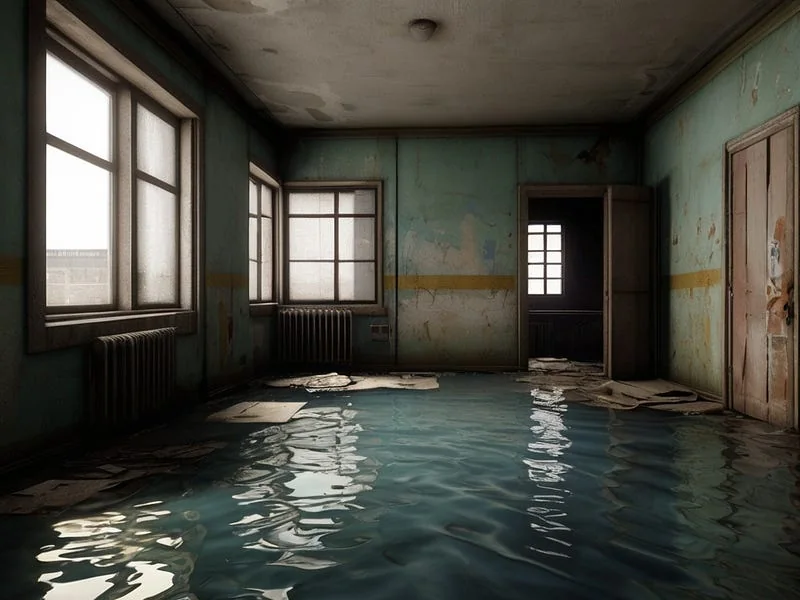
Burnt Edges: book, (burnt edges:1.2, high resolution, ((high fidelity:1.1, detailed textures, photo.Water Stains: water-stained abandoned apartment:1.3, high resolution, high fidelity:1.1, detailed texture, photo.
Sculpting and Modeling Materials
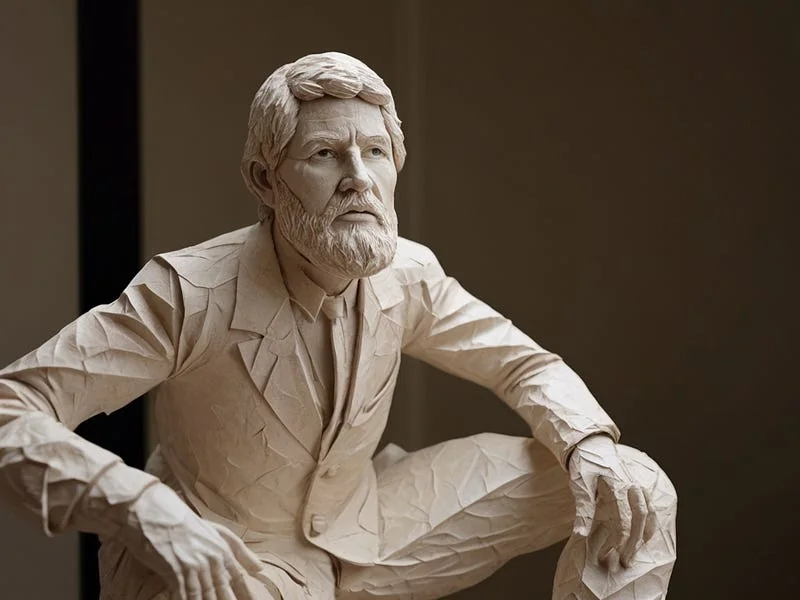
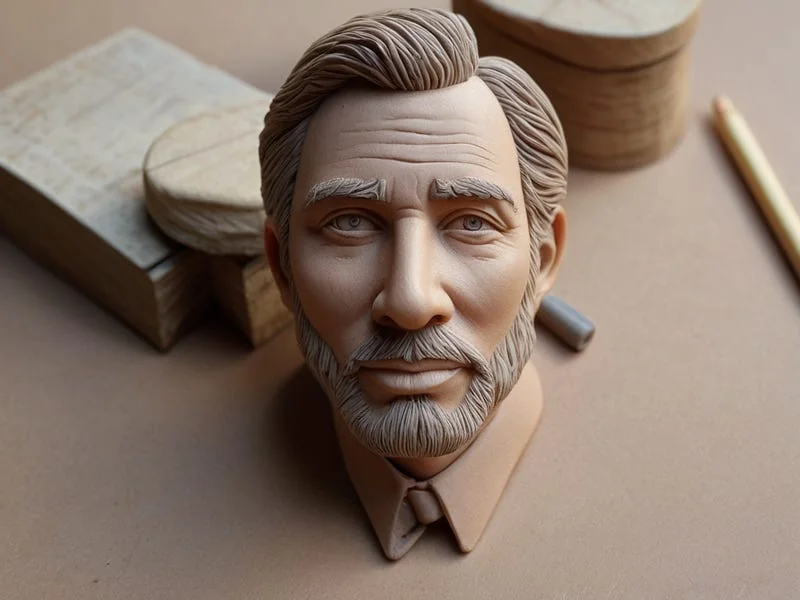
Sculpting materials give an object a handmade or physical studio feel. Clay, polymer clay, ceramic, papier-mache, plaster, wax, and foam all imply marks from shaping, drying, cutting, and painting.
Prompt for the material, the tool marks, and the finish. A rough clay maquette should not read the same as a glossy ceramic figure.
sculpture prompta small fox sculpture made from polymer clay, visible fingerprints, matte finish, tabletop studio photo
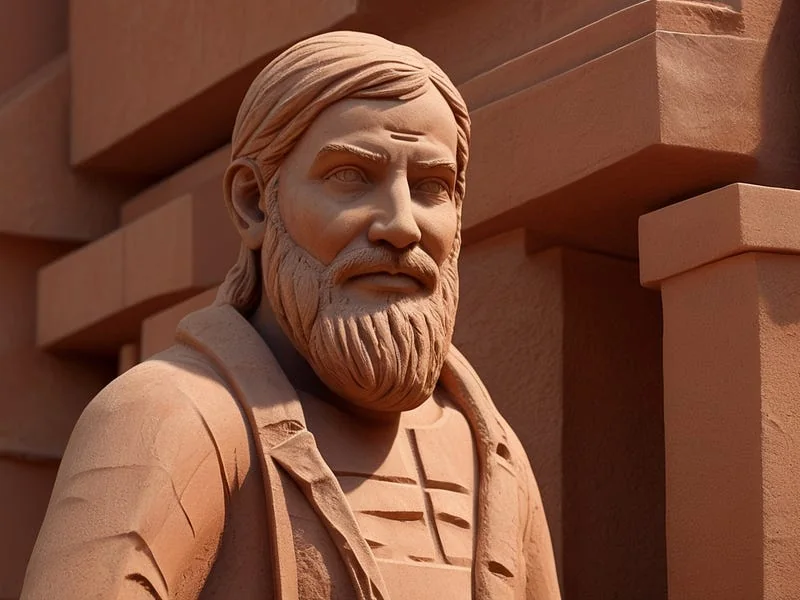
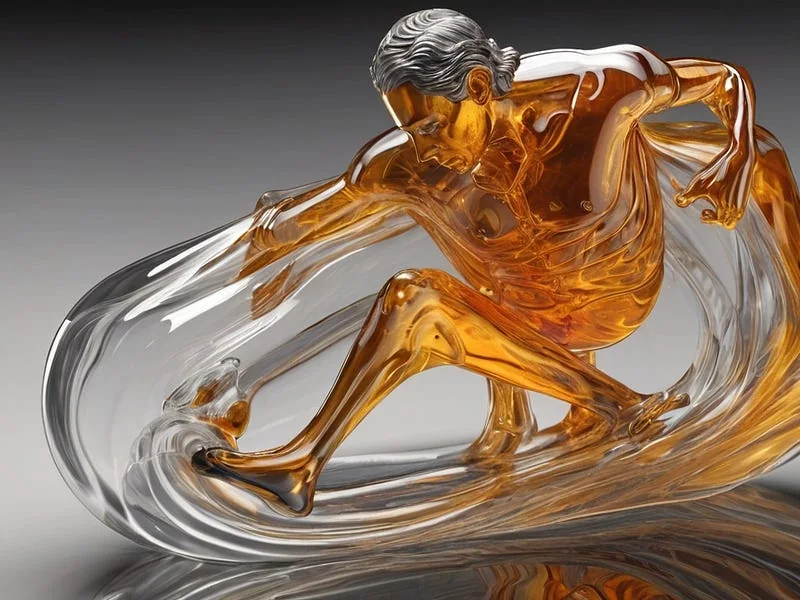
Ceramics: sculpture made from terracotta, depicting a man, high resolution, high fidelity:1.1, detailed texture, photo.Molten Glass: flowing molten glass depicting a man, high resolution, high fidelity:1.1, detailed texture, photo.
Papier-Mâché: sculpture made from papier mache, depicting a man, high resolution, high fidelity:1.1, detailed texture, photo.Polymer Clay: polymer clays are versatile, ranging from the soft and malleable to the finely detailed and cured finish.
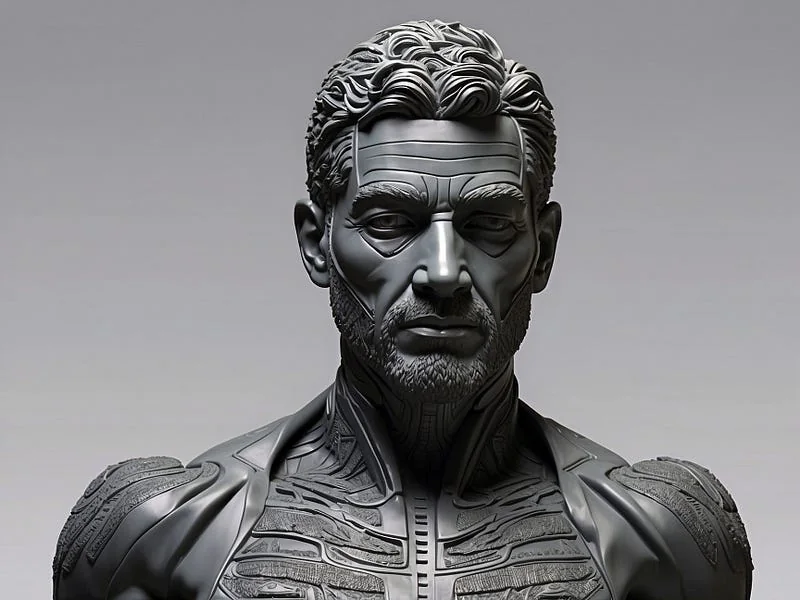
Stone: stone depicting a man, high resolution, high fidelity:1.1, detailed texture, photo.Wood: wood depicting a man, high resolution, high fidelity:1.1, detailed texture, photo.
Artistic and Abstract Textures
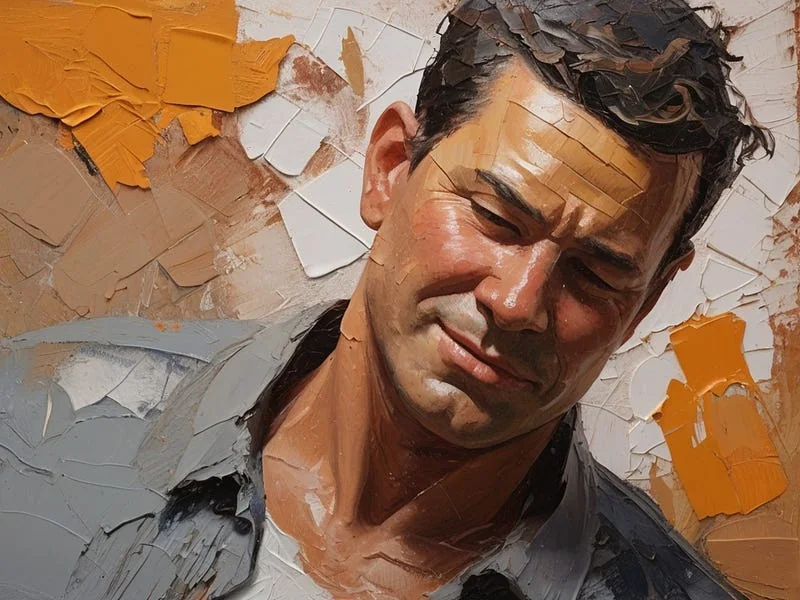
Artistic textures describe the mark-making itself. Brushstrokes, impasto, drybrush, palette knife marks, splatter, dabbing, glazing, and halftone all change the surface of the image.
Use them when the prompt needs a painting, print, poster, or mixed media feel. Pair the texture with a medium so the model understands the context.
paint prompta mountain landscape painted with heavy impasto and palette knife marks, thick oil paint texture, warm evening light
Brushstrokes: brushstrokes, depicting a man, high resolution, high fidelity:1.1, detailed texture, photo.Splatter: splatter, depicting a man, high resolution, high fidelity:1.1, detailed texture, photo.
Drybrush: dry-brush, depicting a man, high resolution, high fidelity:1.1, detailed texture, photo.Palette Knife Marks: palette Knife Marks, depicting a man, high resolution, high fidelity:1.1, detailed texture, photo.
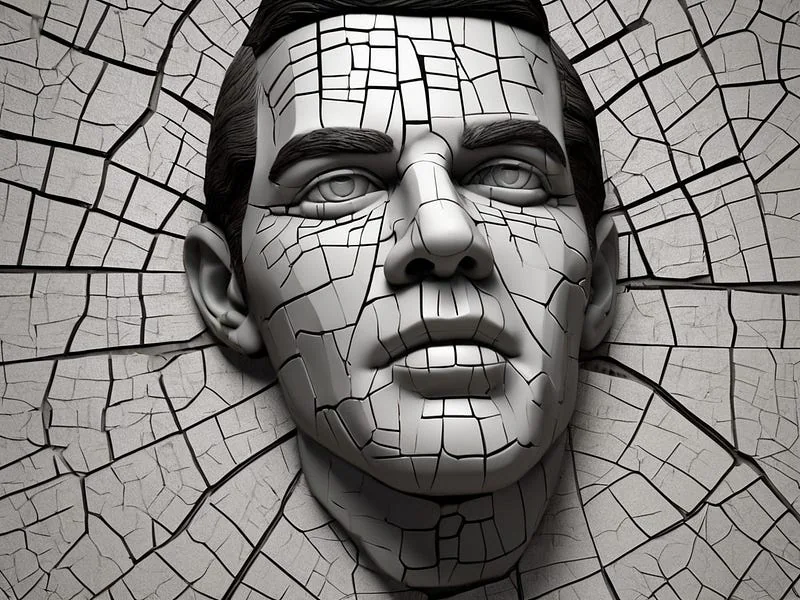
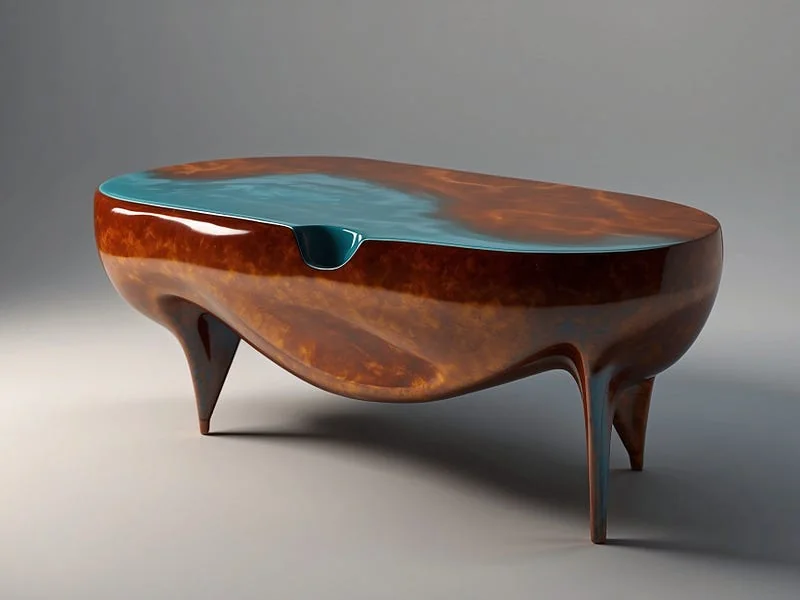
Crackle: crackles mimic the effect of dried, cracked paint, adding a vintage or antiqued look.Glazing: glaze, a table, high resolution, high fidelity:1.1, detailed, photo.
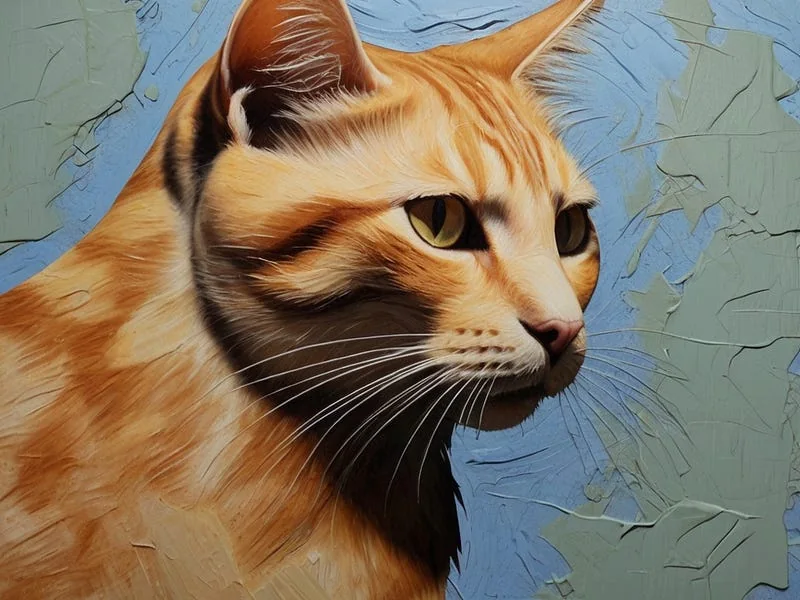
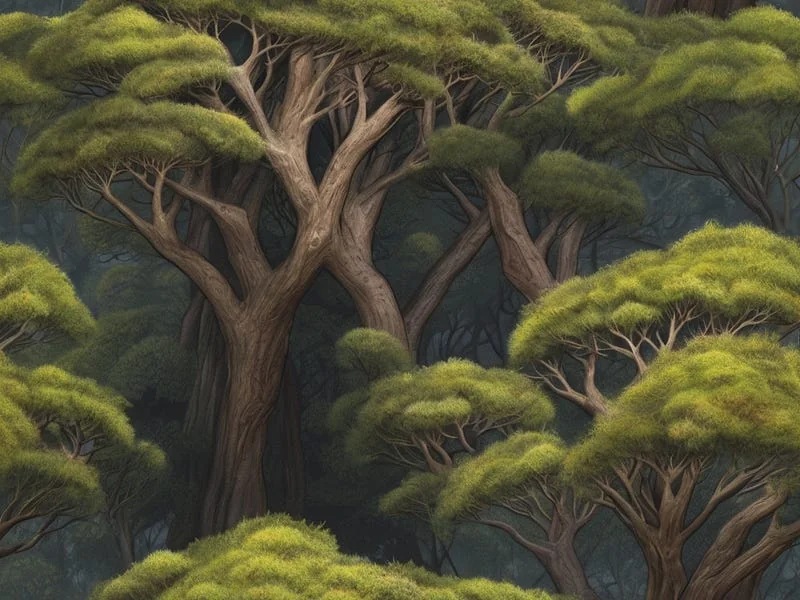
Impasto: impasto texture depicting a cat, high resolution, high fidelity:1.1, detailed, photo.Dabbing: dabbed paint, of a tree, high resolution, high fidelity:1.1, detailed.
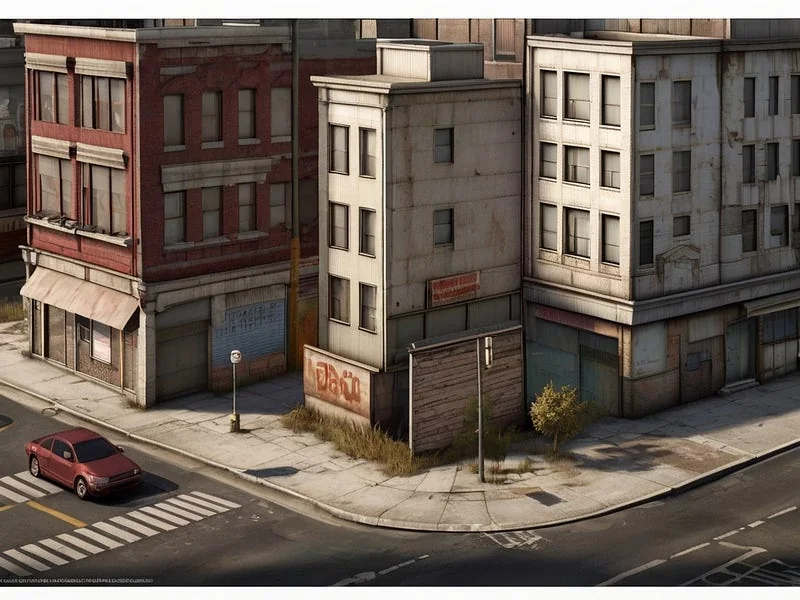
Grunge: grunges are all about edginess and decay, ideal for adding a rough, urban vibe to artwork.Halftone: red and blue Half-tone, depicting a man high resolution, high fidelity:1.1, detailed, photo.
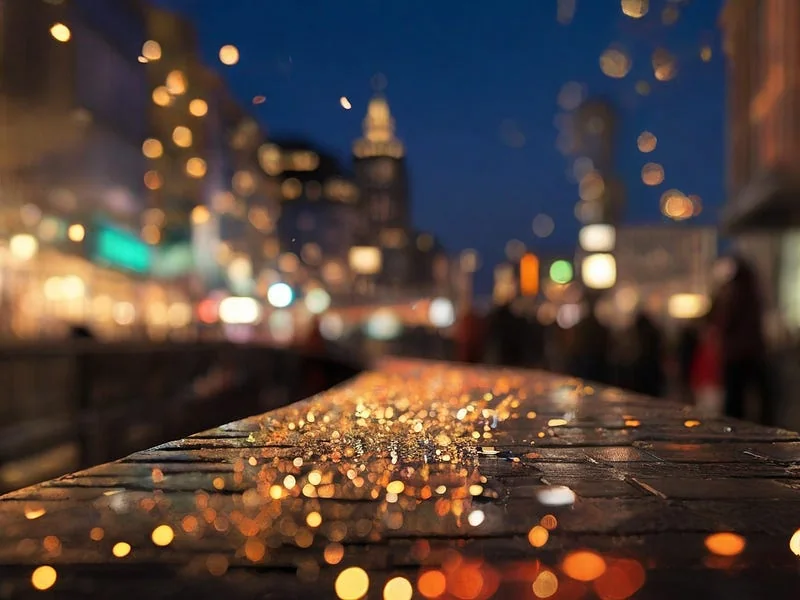
Bokeh: bokeh, a city, high resolution, high fidelity:1.1, detailed, photo.
Simple Method
Choose one subject.
Choose one primary material or texture.
Add lighting that shows that surface clearly.
Add a style only if it supports the material.
Remove extra texture words when the result gets muddy.
A good texture prompt is usually short. The model needs a clear surface cue, a clear subject, and enough visual context to render the material.