Start with the picture
If you love art and want to make cool pictures using AI, you’re in the perfect spot. This guide is a friendly map to creating images with Stable Diffusion, even if you’re not a pro.
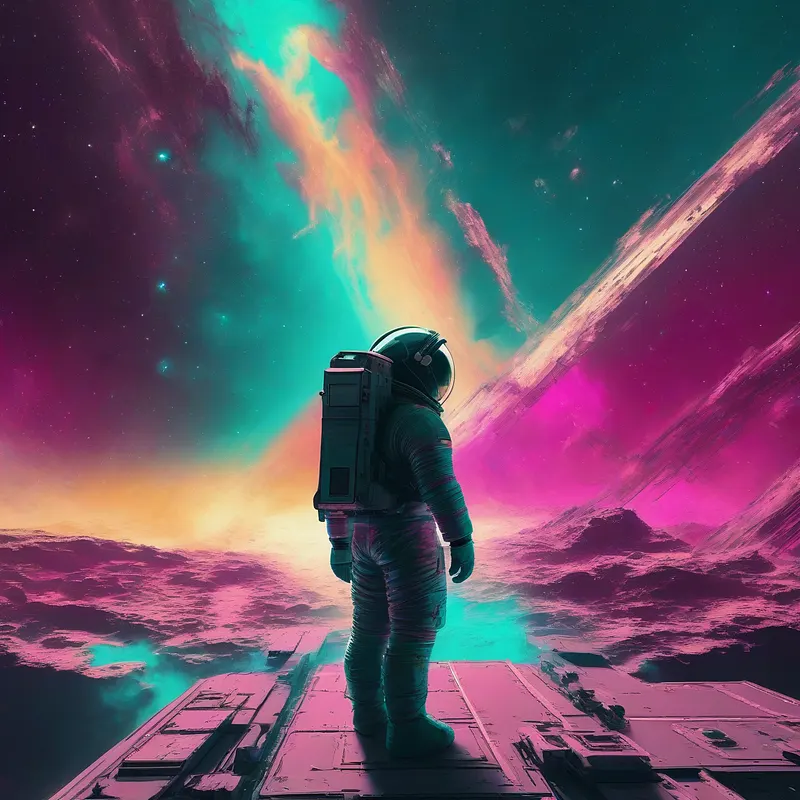
Stable Diffusion is this super smart AI that listens to your ideas (we call them prompts) and turns them into art. It’s like having a robot artist buddy who’s ready to draw or paint whatever you can think of. By learning how to talk to this AI in a special way, you can make it create almost any picture you imagine.
We’re going to show you how to build your art step by step.
You’ll figure out where to put stuff in your picture, pick colors that make your art feel just right, and choose a style that makes it pop!
And don’t worry, we’ll give you lots of examples to try out and play with as you learn.
Composition essentials
The art of composition in Stable Diffusion is akin to the delicate balance an architect must maintain when designing a building. It’s about arranging visual elements harmoniously, guiding the viewer’s eye, and creating a narrative within the frame. Let’s walk through some of the key principles of composition and see how they can be applied to prompt engineering.
One of the most fundamental composition techniques is the Rule of Thirds. This principle involves dividing the image into nine equal sections by two equally spaced horizontal lines and two equally spaced vertical lines. Placing points of interest at the intersections or along the lines creates tension, energy, and interest in the composition.
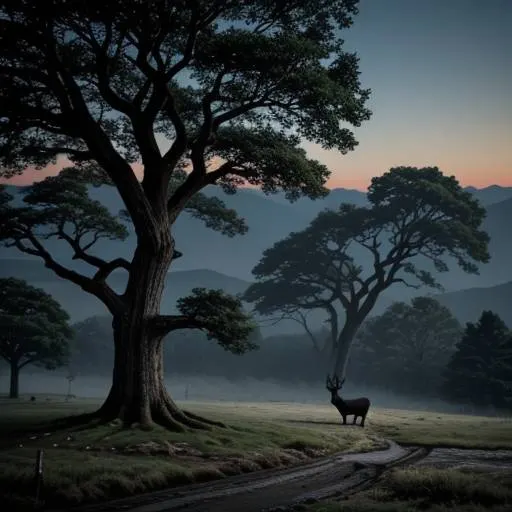
Symmetry provides a sense of harmony and order. Balance, whether symmetrical or asymmetrical, is crucial to creating a pleasing composition. With Stable Diffusion, you can play with these concepts to create images that feel stable or intentionally off-kilter for dramatic effect.
Conveying a sense of depth can make your AI-generated art more lifelike. Use foreground, middleground, and background layers, or employ linear perspective with converging lines to create the illusion of depth.
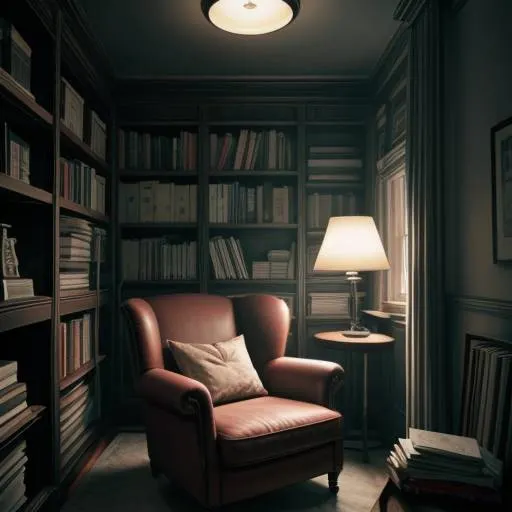
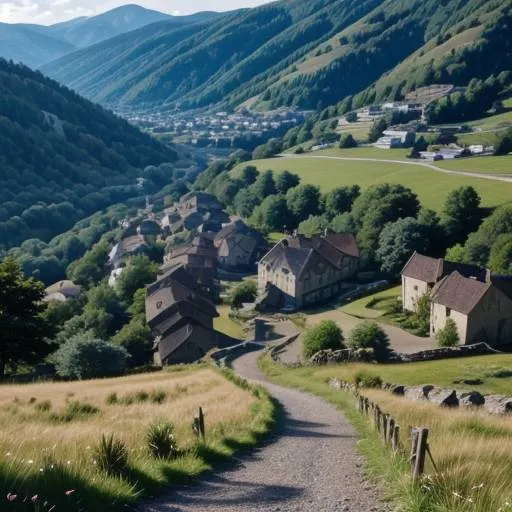
Framing within your image can highlight the main subject, drawing the viewer’s attention to where you want it. Use natural frames like windows or archways, or compose the scene so that surrounding elements create a visual frame around your point of interest.
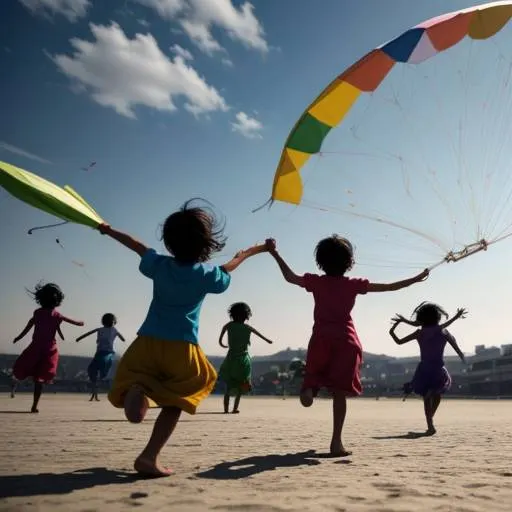
Creating a sense of movement can add energy and life to your Stable Diffusion art. Consider how the elements in your scene might interact and guide the eye in a natural, flowing manner.
You’ll notice the resulting images have a sense of motion and speed applied to them due to the mention of (joyfully chasing)
- Utilize natural curves and lines for leading lines.
- Play with geometric shapes to create interesting arrangements.
- Emphasize negative space to let your subject breathe.
- Experiment with juxtapositions for unexpected visual interest.
- Use symmetry for a sense of order or break it for dynamic tension.
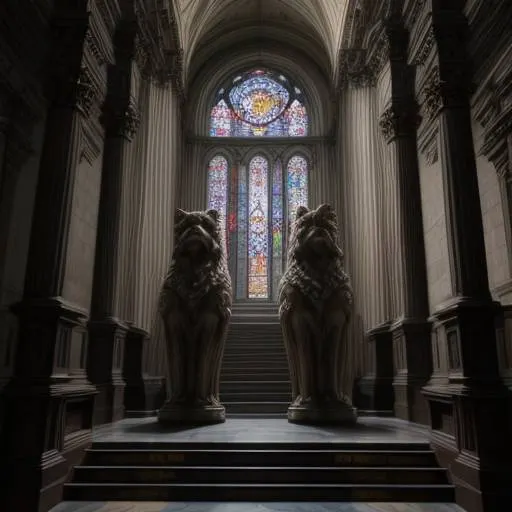
Remember, these principles are tools for storytelling, not strict rules. With each prompt, you’re providing the AI with a blueprint to interpret, and as you refine your understanding of these compositional essentials, you’ll see your prompts transform into ever more compelling artworks.
The spectrum of color themes
Color can transform a scene from mundane to mesmerizing. In Stable Diffusion, understanding the spectrum of color themes is crucial for creating imagery that resonates on an emotional level. Let’s look at color theory and how your prompts can use it to evoke specific moods and atmospheres.
At its core, color theory is the science and art of using color. It explains how humans perceive color, how colors mix, match or clash, and the messages they communicate. With Stable Diffusion, you can use color theory to give your art depth and feeling.
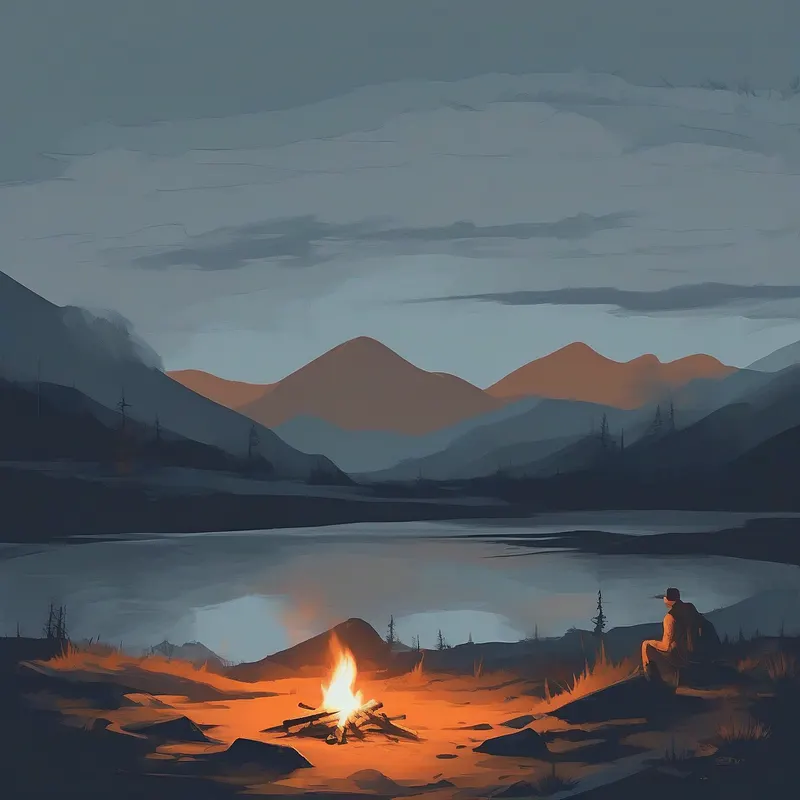
Different color themes change the viewer’s emotional response. Here’s a run-down of some common themes and the moods they convey:
- Monochromatic: Utilizes variations in lightness and saturation of a single color. It’s harmonious and soothing.
- Analogous: Combines colors that are next to each other on the color wheel. This scheme is often found in nature and is harmonious and pleasing to the eye.
- Complementary: Uses colors opposite each other on the color wheel, creating high contrast and bold looks.
- Triadic: Involves three colors that are evenly spaced around the color wheel, offering a rich and dynamic palette.
- Neutral: Employs whites, blacks, and greys, often creating a minimalist or subdued atmosphere.
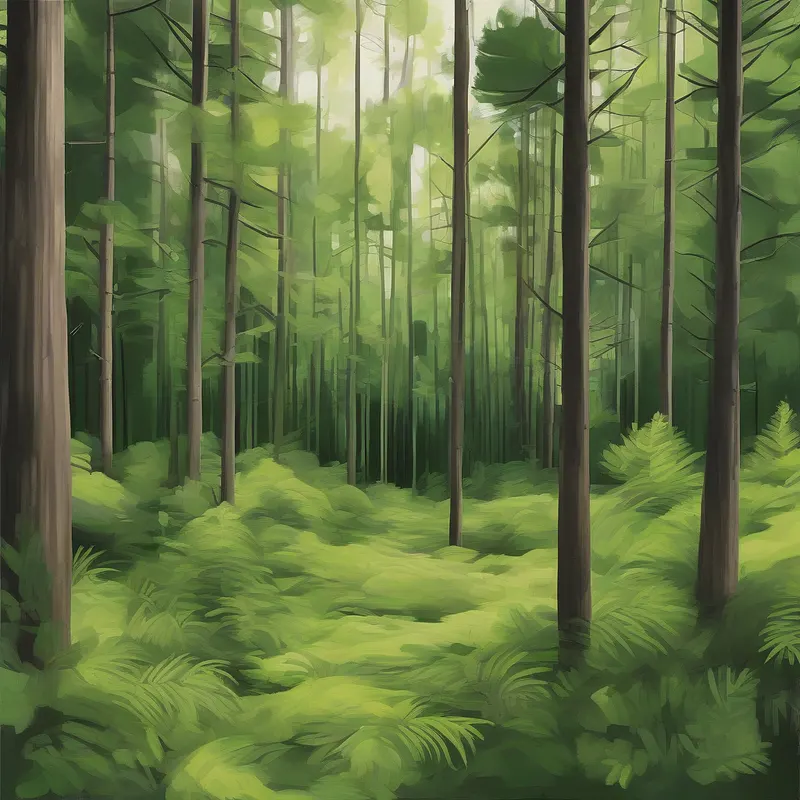
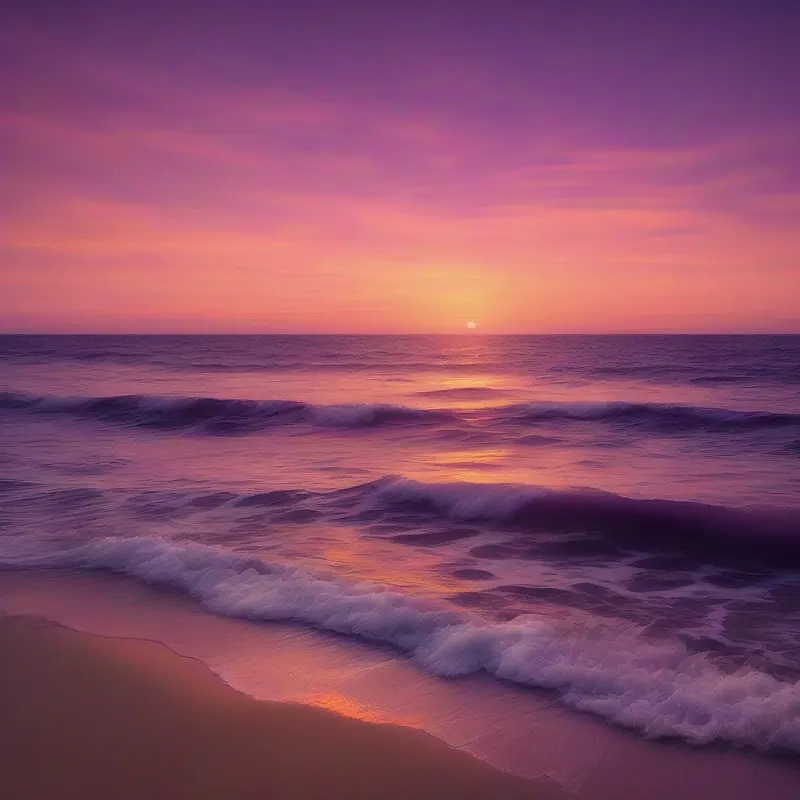
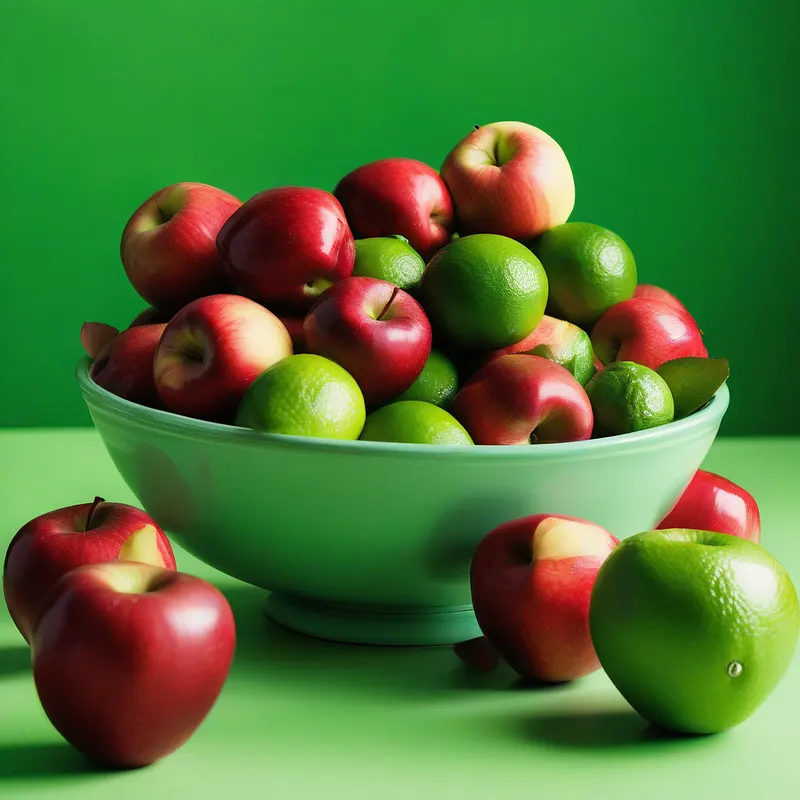
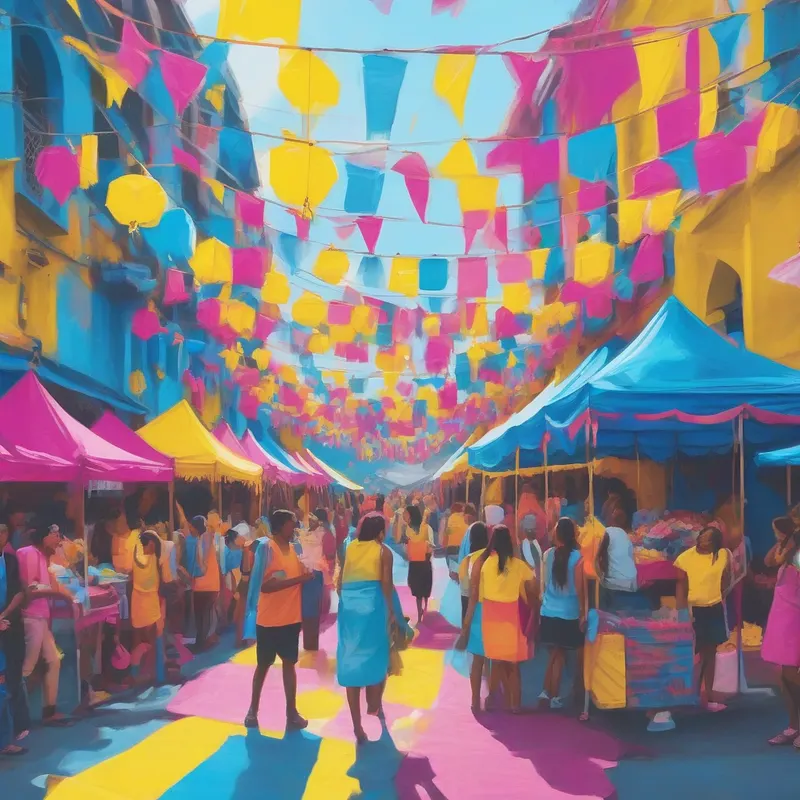
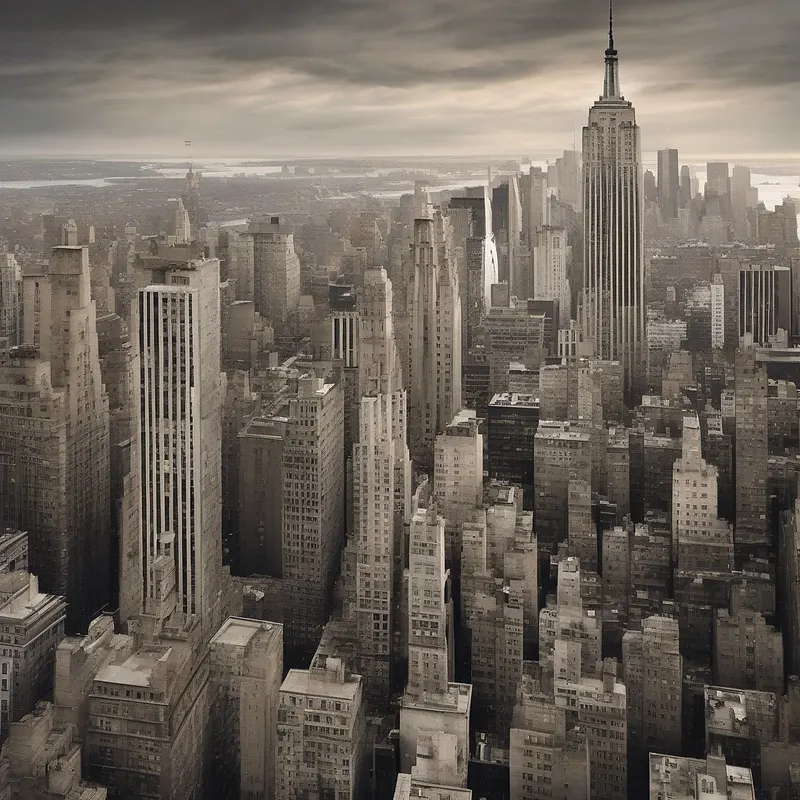
When crafting your prompts, consider the color theme as a narrative device. Think about what story you want to tell and choose your colors to reinforce that narrative.
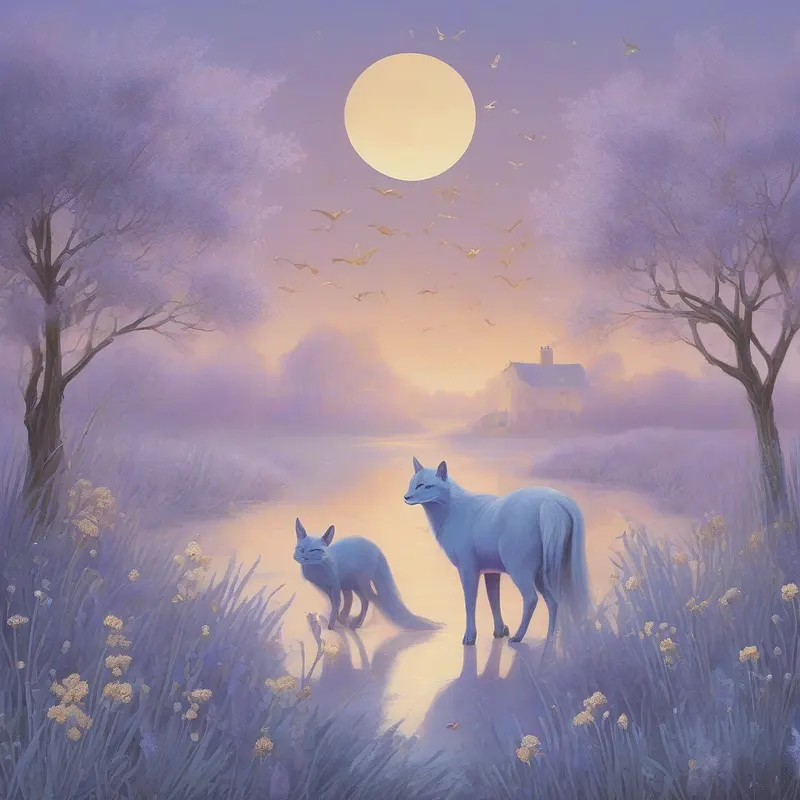
To guide the AI, use specific color keywords in your prompts. Here’s a list of vivid color terms to inspire your creations:
- Chill of twilight
- Warmth of a hearth
- Blush of dawn
- Shadowed indigo
- Golden hour gleam
- Rusted autumn leaves
- Arctic whiteness
- Tropical vibrance.
Color themes are essential in shaping the emotional landscape of your AI-generated art. By mastering the use of color in your Stable Diffusion prompts, you’ll craft images that capture the eye and touch the heart. Experiment with different color combinations and observe how they influence the narrative and feel of your artwork. With practice, you’ll develop an intuitive sense of which colors bring your visions to life.
Art styles and influences
Art is rich and varied, offering a tapestry of styles that span the breadth of human history and imagination. When creating with Stable Diffusion, you have the unique ability to infuse your AI-generated art with elements from this vast array of artistic expressions. In this chapter, we’ll explore different art styles, from the classical to the contemporary, and how you can implement them in your Stable Diffusion prompts to give your work depth and character.
Classical art styles have withstood the test of time, revered for their beauty, technique, and historical significance. By referencing these styles in your prompts, you can imbue your images with a sense of tradition and elegance.
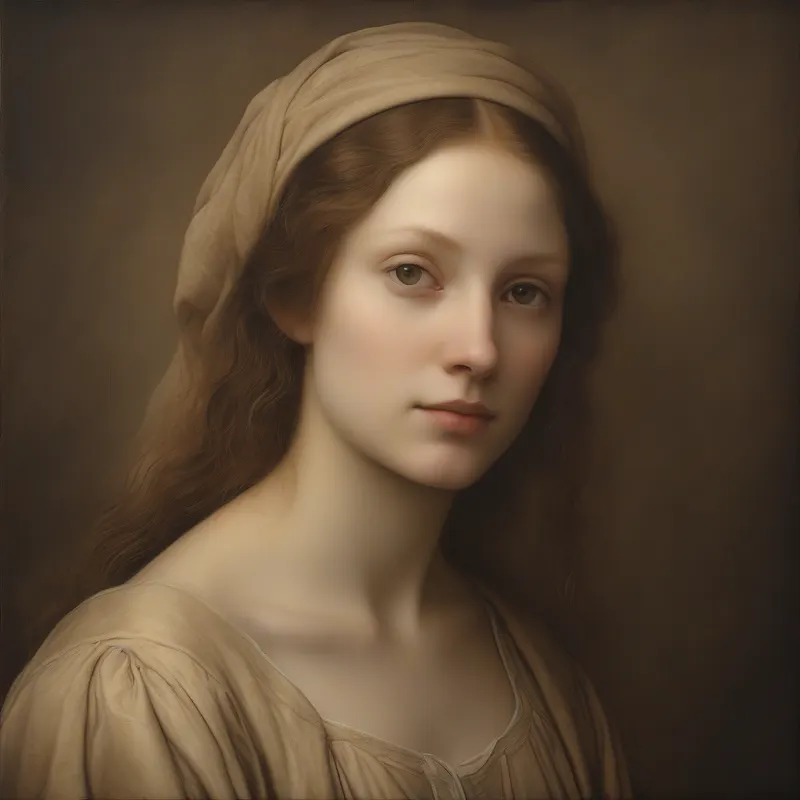
Modern art, with its bold experiments in form and color, broke away from the traditions of the past, while contemporary art continues to push boundaries and reflect current ideas. These styles can bring a fresh energy to your creations.
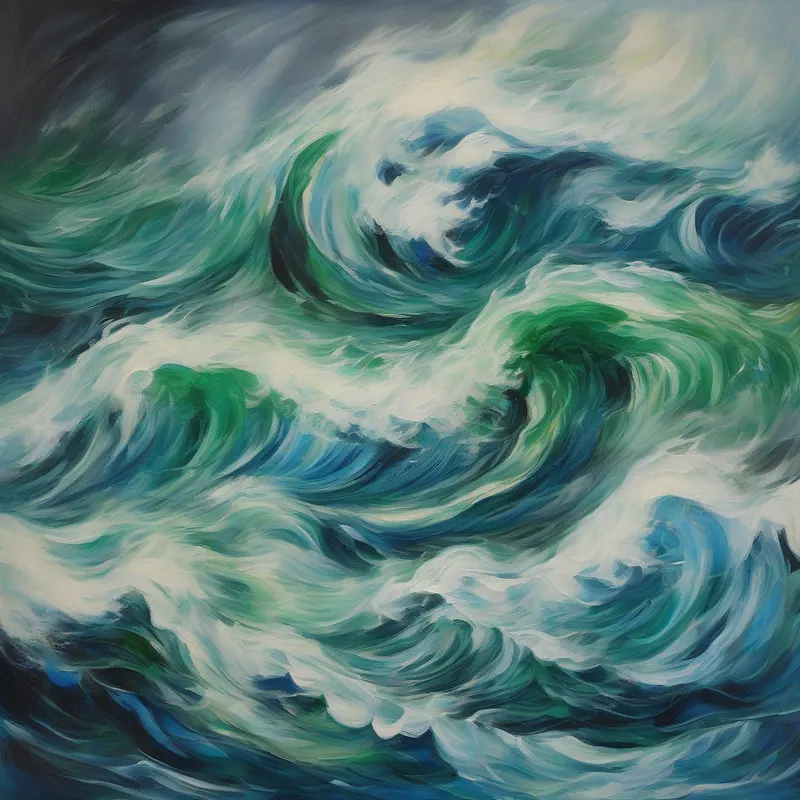
Expressionism seeks to depict the emotional experience over physical reality, often through exaggerated and distorted visuals, while Impressionism captures the fleeting effects of light and color. Both can create a rich, atmospheric quality in your art.
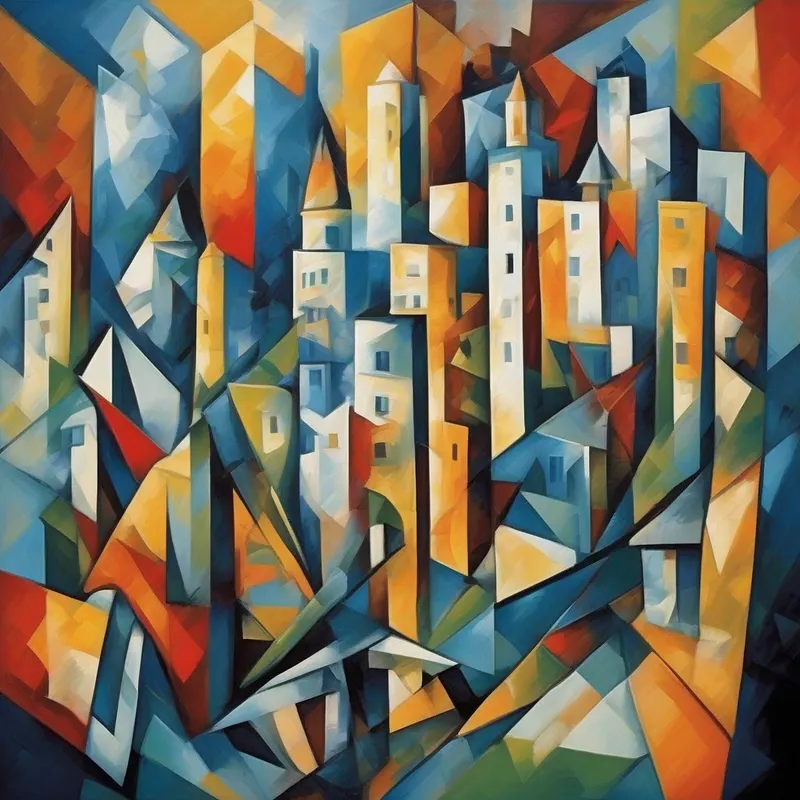
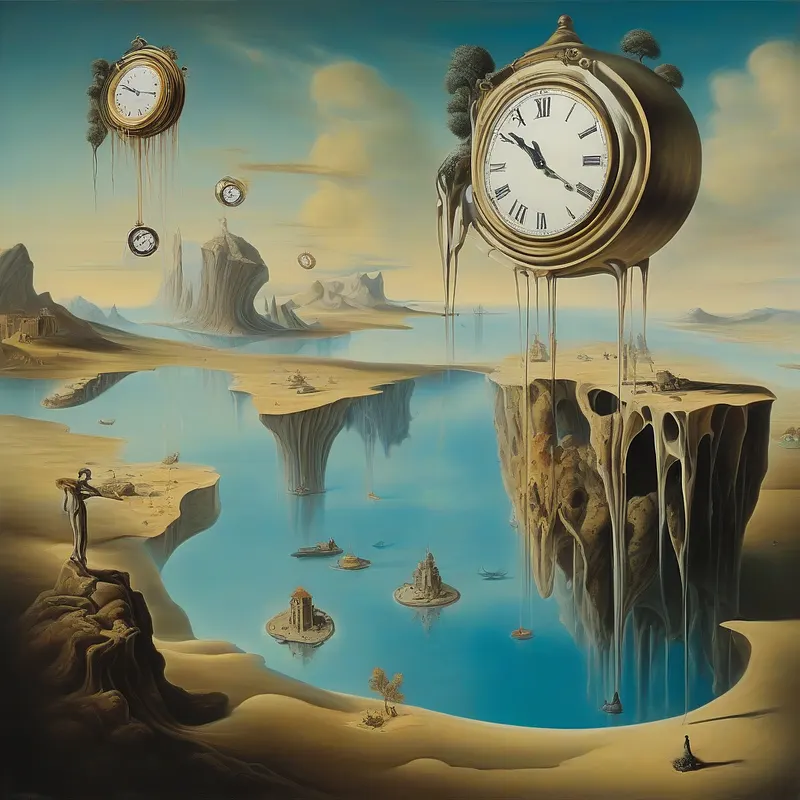
Surrealism delves into dreams and the unconscious, often featuring bizarre, illogical scenes. Fantasy, on the other hand, frees you to explore mythical and otherworldly themes. Both can be used to create captivating, otherworldly images.
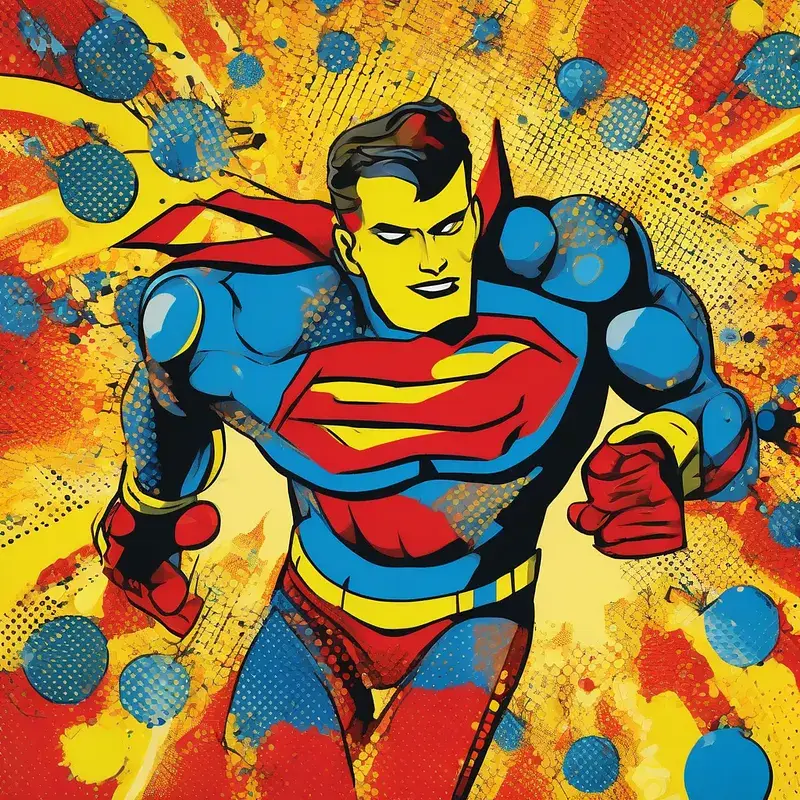
Pop Art is known for its bold imagery derived from popular culture and mass media, while street art brings an urban edge with its graffiti and mural styles. These styles can make your art pop with contemporary relevance.
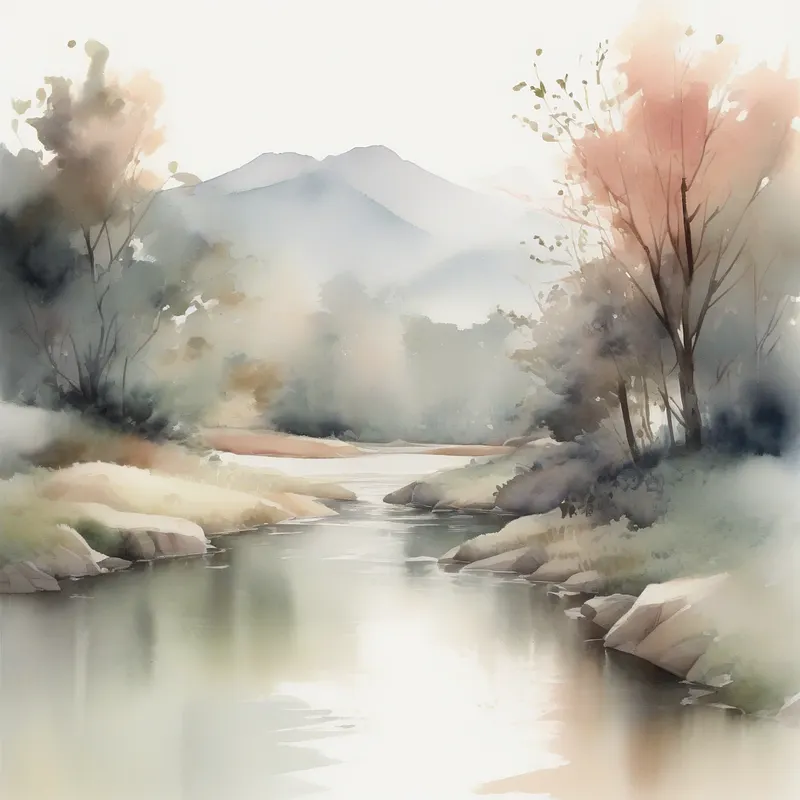
Don’t forget to consider the multitude of artistic mediums and techniques available. Whether it’s the textured strokes of oil painting, the delicacy of watercolor, or the precision of digital art, each medium brings its own unique qualities to your work.
The influences of art styles, mediums, and movements provide a rich vocabulary for your Stable Diffusion prompts. By selecting and combining these elements, you can craft images that resonate with the echoes of art history or pulse with the rhythm of contemporary life. Experiment with blending styles or creating juxtapositions to discover new visual narratives. As you refine your prompt engineering skills, remember that each word shapes the style and the impact of your AI-generated art.
Prompt structure
Mastering the art of crafting prompts for Stable Diffusion is a fundamental skill for any AI artist. This section will guide you through the process of creating precise and imaginative prompts, offering structure and key elements to make the most out of your AI art creation journey. Here’s a step-by-step guide to becoming proficient in prompt engineering.
The structure of a prompt shapes the output of Stable Diffusion. A well-composed prompt includes a subject, setting, style, and sometimes, emotion or action. The order and clarity of these elements direct the AI toward the desired result.
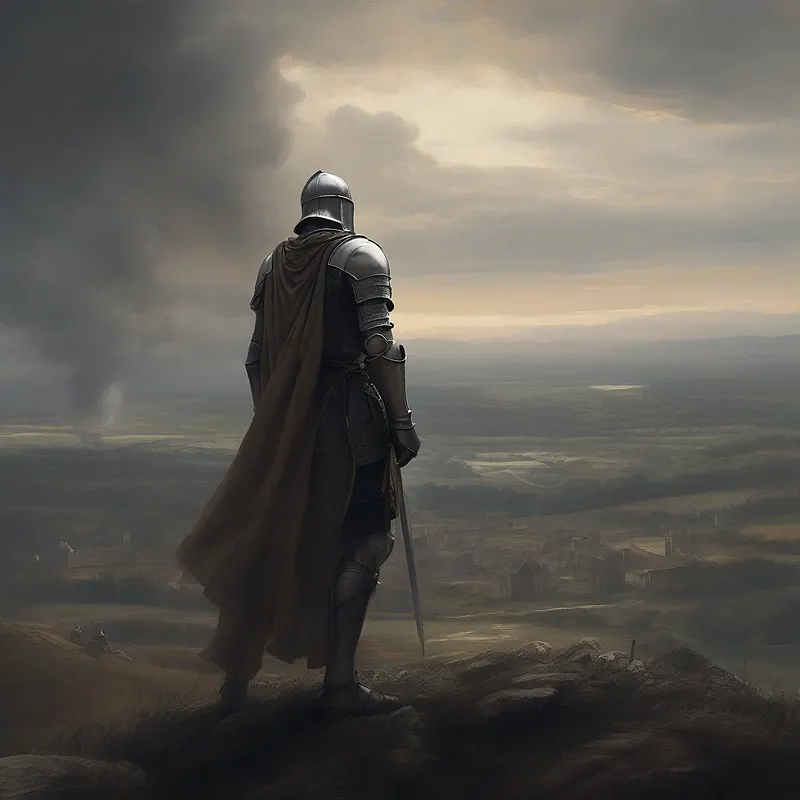
A good prompt strikes a balance between being specific enough to convey your vision and flexible enough to allow the AI to introduce creative nuances. Overly detailed prompts may restrict the AI’s creative potential, while too vague prompts might lead to unexpected and undesirable results.
Keywords are the building blocks of your prompt. They should be descriptive and relevant to the image you want to create. Think about textures, colors, emotions, and actions that can enhance your prompt.
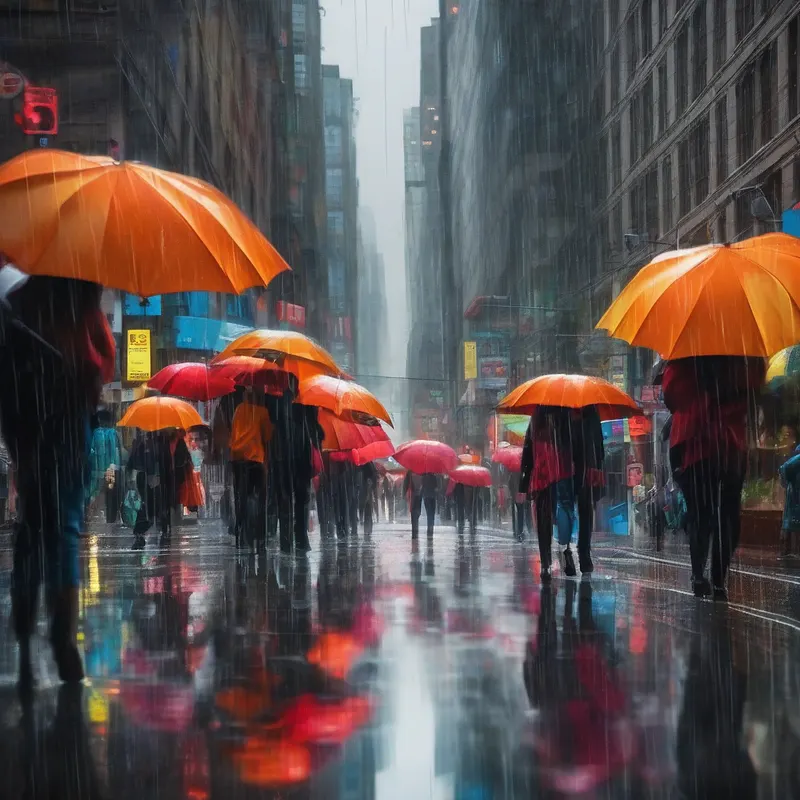
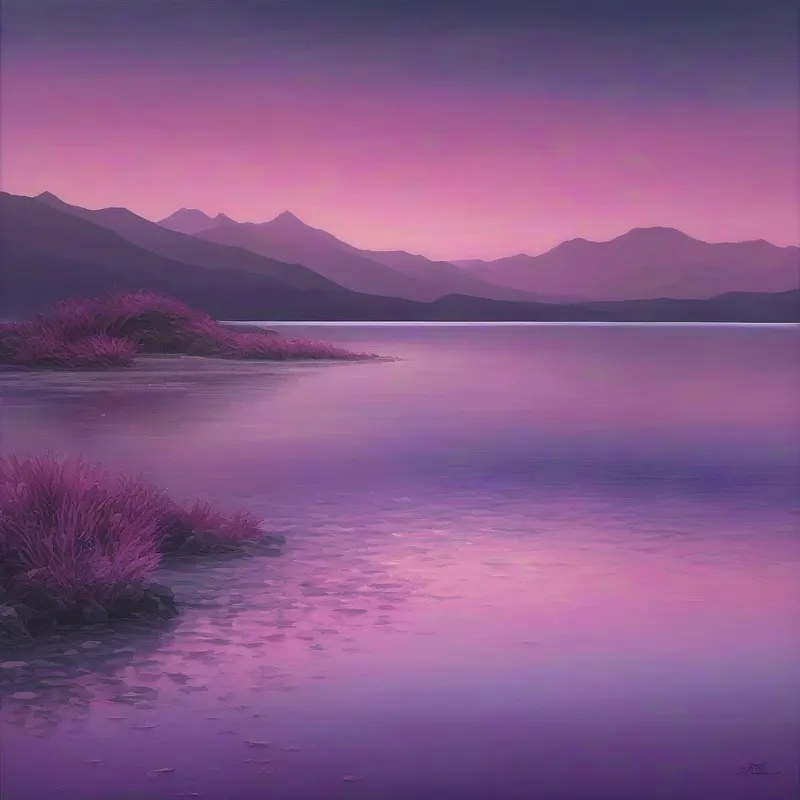
Incorporating artistic terms can help guide the AI towards a particular style or technique. Use terms from art history, such as “Impressionist,” “Baroque,” or “Cubist,” to instruct the AI on the desired artistic approach.
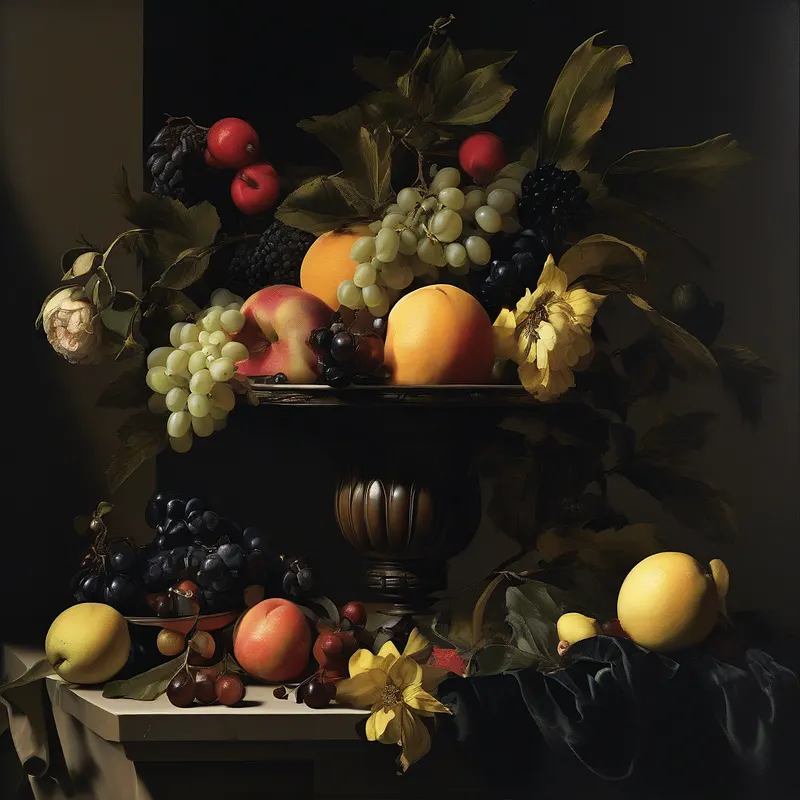
Use parentheses and brackets to indicate which elements of the prompt should be emphasized or de-emphasized. This helps you control the focus and importance of different aspects within the generated image.
Iteration and adjustment
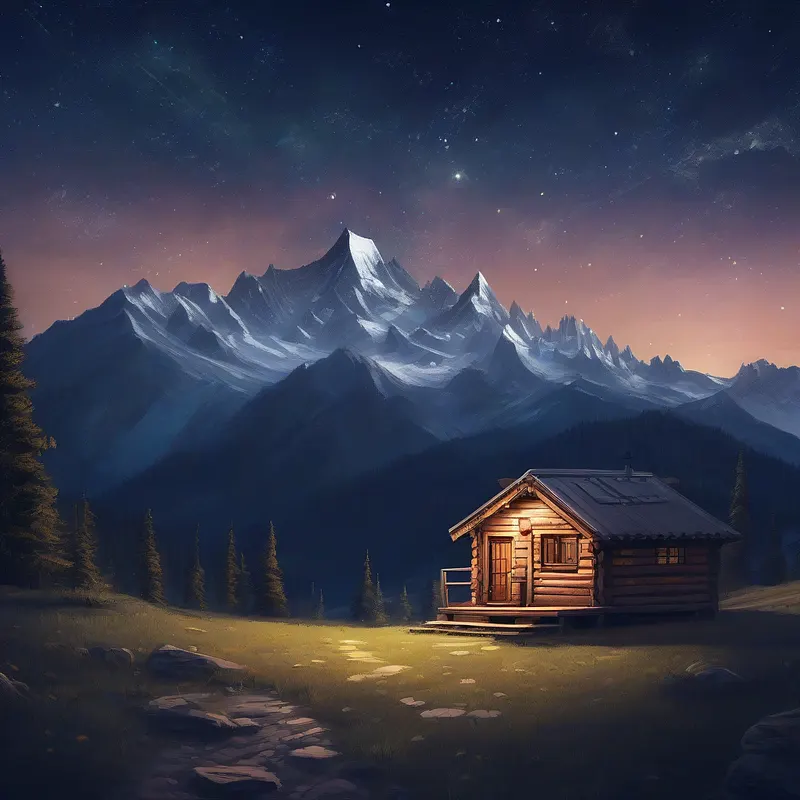
Prompt engineering is an iterative process. You may not get the perfect result on the first try, so be prepared to refine and adjust your prompts based on the outcomes you receive.
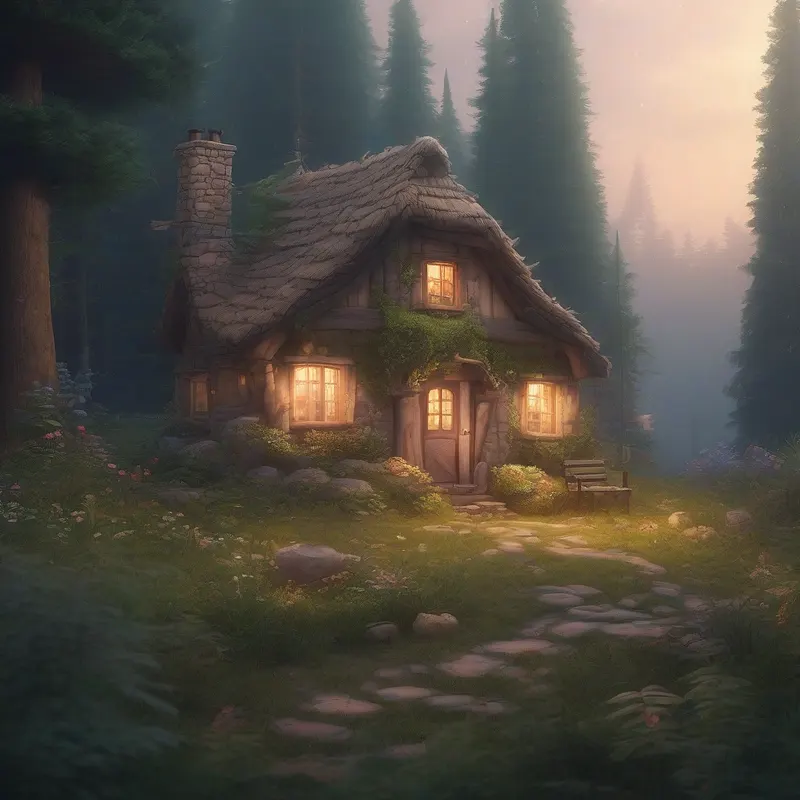
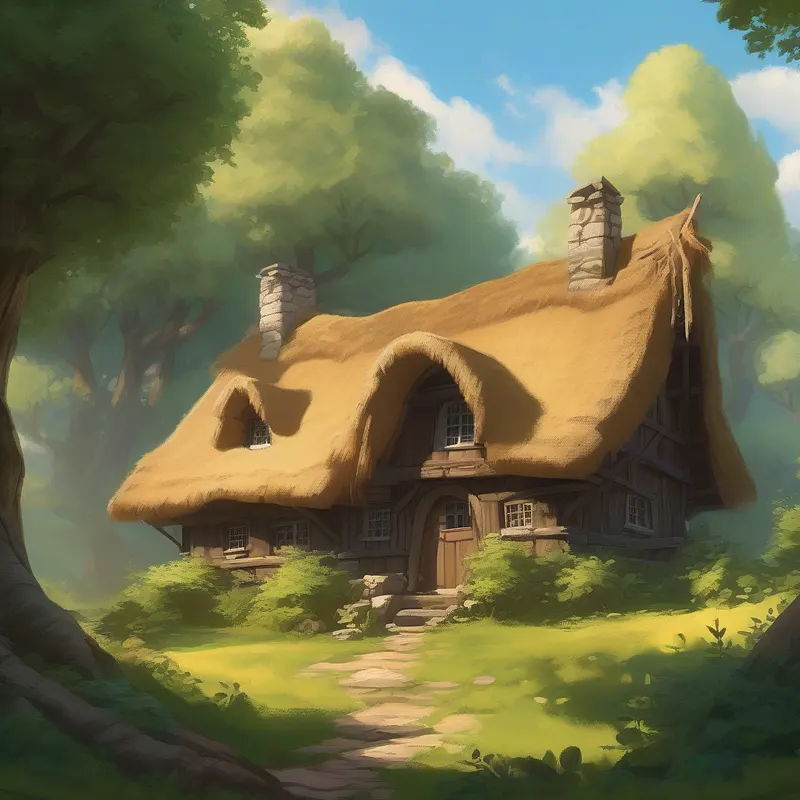
Creating art with Stable Diffusion is an iterative journey of discovery and learning. As you engage with the tool, you’ll find that your initial prompts may not always yield the expected results. This is where the art of iteration comes into play, refining and tweaking prompts to inch closer to the image you envision.
Do not be discouraged if your first attempt doesn’t produce the perfect image. Each result is an opportunity to learn and adjust. Embrace trial and error as part of the creative process.
Related walls
From the original Artificial Lexicon site, also on Medium. Rebuilt for this site.